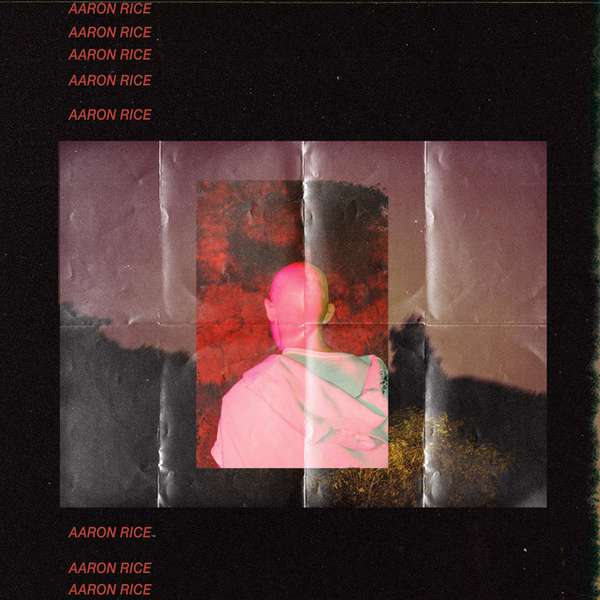
Aaron Rice deftly wades through the debris of a break-up on his debut solo LP Neverfade/For Dusk, where his songs are bolstered by addictive synths that alternately lurk behind percussive bass or envelop the tracks. Rice's voice veers between being sparse and elegiac at points, while at others vocal manipulation makes his voice take on a deep, otherworldly sound over the course of the expansive album.
While this is Rice's first release as a solo artist, the Minneapolis musician is a seasoned creative, having previously been at the helm of his band Aaron & the Sea, who had an album and EP to their name. Rice decided to go it alone in 2015, and move to Los Angeles shortly thereafter -- the city where a significant portion of his new album was written.
Morose, layered synths have always been a hallmark of his sound, even back in his Aaron & the Sea (latterly known as AATS) days, but with his solo offering Rice has grown as a songwriter and musician. On Neverfade/For Dusk, he fluidly writes about heartbreak, with fresh and biting synths swaddling his lyrics.
Opener "In Time" immediately launches the listener into the melee of a dissolving relationship. Sinewy synths snap through the track, at times sounding akin to a racing heart, as Rice's voice grows ever more distorted as he half-heartedly chants "in time", with a deep timbre that sounds like he's drifting to the ocean floor, defeated.
Industrial leanings flank "So Easily", while a cascade of synths surround Rice as he intones, "I drink everything to ease the pain". He flashes through past memories before admitting in the last verse, "I know if you call, I'm answering". Like a lot of the tracks on this LP, this song traverses the emotional weight of a relationship breakdown, while using the mundanity of things, like answering a phone call from an ex, to convey the disorientation of the situation.
This is most apparent on the six-minute-long trill of "One Week", serving as a catalogue of heartbreak in three parts. The song opens with an echoey, subdued sound as Rice dourly sings, "I never thought I'd be the one missing you", expressing disbelief at his predicament. The song then seamlessly breaks into addictively jubilant trip-hop beats that sound more suited to a nightclub, while Rice grapples with the realisation of his situation as he sings, "The longest week/I could barely breathe". A sea of double tracked vocals then bubble to the surface at the end of "One Week", in direct contrast to the sparse vocal that opens the track, as Rice reflects, "I never thought I'd lose control".
Neverfade/For Dusk manages to encapsulate an enveloping atmosphere throughout, sounding like the perfect accompaniment to the racing thoughts that fill your head when you can't sleep. Rice pores over his situation without the usually detailed post-mortem that some musicians employ when writing about heartbreak. Instead, the music is allowed to breathe, with every vocal sounding considered and deliberate, but with the lyrics being just ambiguous enough to leave a bit of mystery, creating a degree of space and stillness which sits at the heart of this record.
Related features