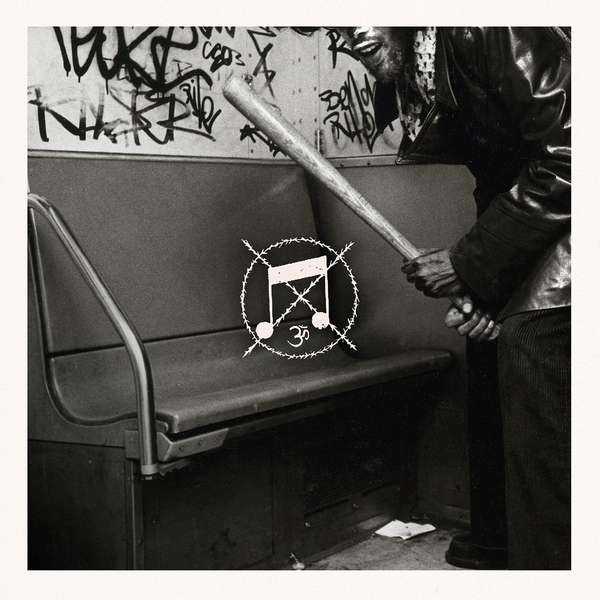
Fucking finally. It’s been six long years since we’ve heard from the Brooklyn via D.C. grind-brigade. This month marks the release of II, the only Magrudergrind record since 2010’s Crusher EP and a welcome relief to those only moderately pacified by Avi Kulawy’s (vocals) doom project, Ruine.
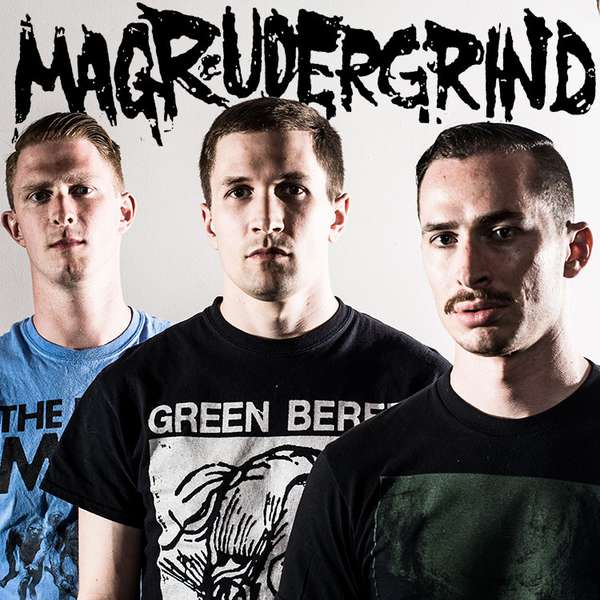
II presents some major changes from Magrudergrind without exhibiting a substantial departure from the auditory path set forth by their 2009 self-titled record. Recent developments include the debut of drummer Casey Moore (Psychic Limb), as well as this being their first album distributed through Relapse Records; two well-suited inclusions. However, the band’s signature approach to grind, with an emphasis placed on R.J. Ober’s fuzzed out guitar tone and groovy riffs that have come to fruition over the previous two releases, remains unabated.
Since the album wastes no time getting into it, neither will I. There is no preamble with II, this album is an up-tempo, sonic onslaught from beginning to end. While Magrudergrind retain their trademark tonality, this album demonstrates refined, abrupt transitions being more pronounced throughout. Even though appropriate similarities may be drawn between II and the band’s previous efforts, for better and for worse, it is hardly the same record as Crusher or s/t, let alone Don’t Support Humanitary Aid Led By The Church, Owned!! , or Rehashed (all of which ought to be required listening for anyone with even a slight interest in grind-violence).
A certain element that is missing from this record are the interludes so often seen as a staple of powerviolence; though it’d be weak to lob criticism at a band for straying from genre troupes whilst continuing to develop on their own trajectory. However, I must admit to missing the comically irreverent intros, the intermediate hip-hop beats, and homage to go-go music that served as a brief recess between tracks on the previous full-length. Nevertheless, Magrudergrind’s ability to produce top-notch grindcore has remained consistent as their level of technical sophistication seems to increase with every release.
If you’re basing your expectations on some grandiose deviation from where they left off you may be setting yourself up for disappointment, but if you’re like me then you’re ecstatic to finally have more Magrudergrind to listen to. II is as irate as its pace is blistering. It serves as a fine addition to their catalog with the seemingly applicable theme being the ancient proverb. “if it ain’t broke don’t fix it.” Hopefully this record is one of many more to come from these guys.
Related features

Magrudergrind
One Question Interviews • June 26, 2014
Related news
Magrudergrind sign to Relapse Records
Posted in Labels on February 16, 2015

1QI: Old Man Markley, Magrudergrind, Mad Caddies, Crusades
Posted in Bands on July 1, 2014