Almost three decades after their original run, The Gits remain a vital part of Seattle’s punk rock history. Their raw intensity, emotional directness, and fiercely independent spirit continue to resonate with new generations discovering them through streaming platforms and reissues. In 2026, the band’s legacy is further honored with the release of Etcetera, a specially curated LP for Record Store Day featuring rare, unreleased, and live recordings pulled from the vault.
At the same time, drummer and founding member Steve Moriarty reflects on the band’s history in his book The Gits: A Story of Art, Rock and Revolution, a work centered not on tragedy but on creativity, positivity, and remembering Mia Zapata for her voice, artistry, humor, and the fearless presence she brought to every stage.
Scene Point Blank: How did The Gits get started?
Steve Moriarty: It really began with a group of friends who wanted to play something direct and honest. We weren’t thinking about careers or fame. We just wanted to create music that felt real to us and have fun doing it. That energy came first -- everything else followed.
Scene Point Blank: When did it start to feel like the band could become something bigger?
Steve Moriarty: When people kept showing up. At first, you’re just hoping someone’s in the room. But when audiences started returning and bringing friends. That was powerful. Even in small clubs, you could feel that something was connecting.
Scene Point Blank: What shaped your early sound?
Steve Moriarty: Punk and garage rock were huge influences. There was urgency in that music -- it didn’t wait for permission. It wasn’t polished, but it felt alive. That mattered more to us than technical perfection.
That energy came first -- everything else followed.
Scene Point Blank: What were the early challenges?
Steve Moriarty: Everything. Finding gigs, affording gas, keeping equipment working. You’re constantly improvising. Personalities, too -- being in a band is like being in a small family under pressure. But those challenges build resilience. They shape how you function later.
Scene Point Blank: What did it mean to be a woman-fronted band in the early ’90s scene?
Steve Moriarty: It mattered more than it should have. Back then, there just weren’t many women in bands. When you had a woman singer, you were immediately categorized. Some people didn’t want to check you out. You’d hear things like, “They’re good, but they’ve got a girl singer.”
Women had to work twice as hard for the same recognition. The scene was heavily male-dominated. Bands with women were often treated like novelties. That lack of respect was real.
At the same time, movements like Riot Grrrl were necessary. They created space -- literal and emotional space -- for women to play, attend shows without harassment, and speak openly. It wasn’t perfect, but it shifted things.
Scene Point Blank: Were there structural barriers for girls growing up wanting to play music?
Steve Moriarty: Definitely. Writer and musician Vanessa Veselka once said that in the ’80s, if a teenage girl locked herself in her room to practice guitar, her parents would be pounding on the door asking if she was okay. But if it was a boy, they’d say, “Good, practice more.”
Even in schools, girls were often steered toward certain instruments -- flute, clarinet, violin -- while drums and louder instruments were pushed toward boys. Those early signals matter. They shape confidence.
Having Mia in the band made me more aware of those assumptions. You see how quickly people categorize. But you also see the power of a strong presence cutting through that. Mia wasn’t playing a role. She just was who she was. That authenticity challenged people.
Scene Point Blank: Do you think things have improved?
Steve Moriarty: Somewhat. There’s more awareness now. More women are fronting bands, producing, running labels. But there’s still bias. It’s better than the ’80s and ’90s, but not equal. Hopefully bands like ours showed that talent has nothing to do with gender.
Scene Point Blank: How did your relationship with Sub Pop develop?
Steve Moriarty: At first, they ignored us. But over time things changed. Sub Pop evolved, and people inside the label wanted it to reflect a broader vision: different voices, different energies. Megan Jasper was instrumental in that shift. She’d been there from early on, worked her way up, and genuinely believed in what we were doing.
Eventually they licensed our records and helped bring them back properly. That support made a real difference.
Scene Point Blank: How did you regain control of the music?
Steve Moriarty: We owned the publishing, but not the master tapes. That meant we technically owned the songs, but we couldn’t release them. So I borrowed about $10,000 and bought the masters back from the label at $5,000 each.
It was risky, but it gave us leverage. Once we controlled the tapes, we could negotiate proper licensing deals and make sure the music was handled respectfully.
Scene Point Blank: Tell us about the new Record Store Day release.
Steve Moriarty: We had boxes of cassettes -- rehearsals, demos, live shows, side projects. Hundreds of recordings. Some of Mia’s last songs, acoustic versions, early blues-influenced material. We went through everything and pulled about 20 unreleased tracks. From there, we shaped twelve into what became Etcetera.
It’s not leftovers. It’s another dimension of the band. It shows range: different moods, different moments. Releasing it on Record Store Day felt right. Independent stores were always part of our ecosystem.
Scene Point Blank: How did touring change your approach to the music?
Steve Moriarty: Touring teaches you how audiences react differently in each city, which can influence your writing. It also forces you to tighten arrangements and performance to keep the energy consistent night after night.
Scene Point Blank: Any memorable moments on tour?
Steve Moriarty: Tons. Nights where everything went wrong -- van breakdowns, cancelled shows, or tiny venues with barely any equipment -- were stressful. But the moments when everything clicked -- the crowd singing along, spontaneous collaborations —--were unforgettable.
Once in Portland, the crowd was screaming the lyrics with us, moshing in a sticky, packed venue. We’d never seen anything like it. That energy was electric. In Seattle, metal fans were often skeptical at first, but Mia had a way of pulling them in with her presence. And, yeah, there were nights when a cat wandered into the venue mid-set -- Mia just incorporated it into the show.
our music spoke louder than assumptions and, over time, we saw more respect and openness.
Scene Point Blank:Were there challenges being a woman-fronted band on tour?
Steve Moriarty: Definitely. Sexism ranged from subtle to blatant. People assumed Mia was just a pretty face or that we were a novelty act. Some venues favored male bands. Record labels often wouldn’t sign bands with women unless it was a special case. But our music spoke louder than assumptions and, over time, we saw more respect and openness.
Scene Point Blank: How did fans interact with the band?
Steve Moriarty: We always tried to connect. After shows, we’d hang out, sign autographs, talk about music or life. Mia had this ability to make anyone feel seen. Fans weren’t just observers; they were participants in the energy of the scene. That sense of community was essential.
Scene Point Blank: Why is live music so important to you?
Steve Moriarty: The energy of a small club -- packed, everyone standing, fully focused on the band -- is irreplaceable. You can see people absorbing every lyric. That sharing of energy between a band and audience is reciprocal. Streaming and digital platforms are useful for exposure, but they can’t replicate the immediacy of a live connection.
Scene Point Blank: How did you keep the band’s dynamics strong on the road?
Steve Moriarty: Communication. Always being upfront with what everyone wanted musically. It wasn’t easy, but honesty was valued. Egos had to step aside. Each member brought ideas and energy, which kept the sound evolving while the core message of the band stayed consistent.
Scene Point Blank: Were there any comparisons of Mia to Maude from the movie- Harold and Maude, lol?
Steve Moriarty: [Laughs.] Yeah, she did have an older boyfriend at one point. She had that dark humor, playful sense of life and death, mischievous streak. But she wasn’t acting -- she just existed fully, and that energy carried into the band.
Scene Point Blank: What was it like touring in the ’90s underground scene?
Steve Moriarty: Wild, chaotic, completely DIY. No guarantees about venues, sound quality, or travel. Sometimes you played in a living room, other times in tiny clubs. But people showed up genuinely excited to see music that felt real. It was a community -- punk, indie, grunge -- all overlapping. You could feel people taking ownership of their scene.
Scene Point Blank: Do you still keep in touch with people from those early days?
Steve Moriarty: Sporadically, with friends, fellow musicians, and fans who stayed connected. Social media helps, but it’s not the same as sharing a van, sleeping on floors, and playing sweaty shows. Those bonds were intense and formative.
It’s not about imitation; it’s about finding that fearless authenticity in their own work.
Scene Point Blank: How did the tragedy of losing Mia affect the band?
Steve Moriarty: It was devastating. She was central to our sound, our energy, and our vision. For a while, I didn’t know how to move forward. But the music, the fans, and keeping her legacy alive through releases and shows became a way to cope. Honoring her meant preserving the honesty and passion she brought.
Scene Point Blank: Does Mia’s legacy influence new musicians?
Steve Moriarty: Absolutely. Younger bands discover our records, see her courage on stage, and draw inspiration. It’s not about imitation; it’s about finding that fearless authenticity in their own work. That’s what keeps her spirit alive.
Scene Point Blank: Any final reflections on the ’90s scene?
Steve Moriarty: It was chaotic, vital, and unapologetically human. People took risks, challenged norms, and created spaces where music wasn’t just entertainment -- it was life. Those lessons about community, courage, and honesty stick with me every day.
Scene Point Blank: How do you feel about the early Gits recordings now?
Steve Moriarty: I’m proud. Listening back, you can hear how raw we were, how hungry for expression. There are imperfections, but that’s the charm. You hear the heart, the DIY energy, and the honesty. Some things I wish were tighter, but that’s part of the period. It’s the difference between polished commercial work and underground ethos.
Scene Point Blank: Why is live music still so important to you today?
Steve Moriarty: It’s everything. The connection, the energy, the shared experience -- it's irreplaceable. Streaming and digital platforms are useful for exposure, but nothing beats the immediacy of a live audience. You can feel their reactions, their focus, their joy. It’s alive.
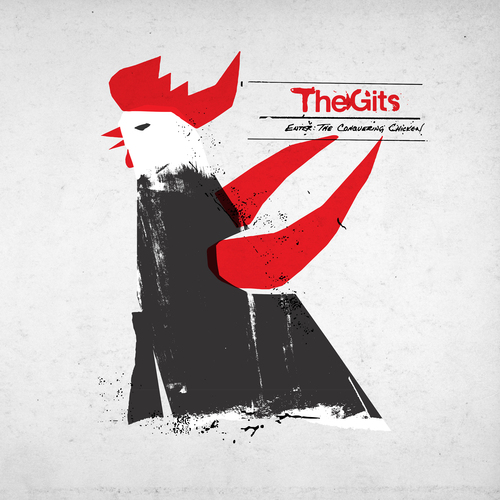
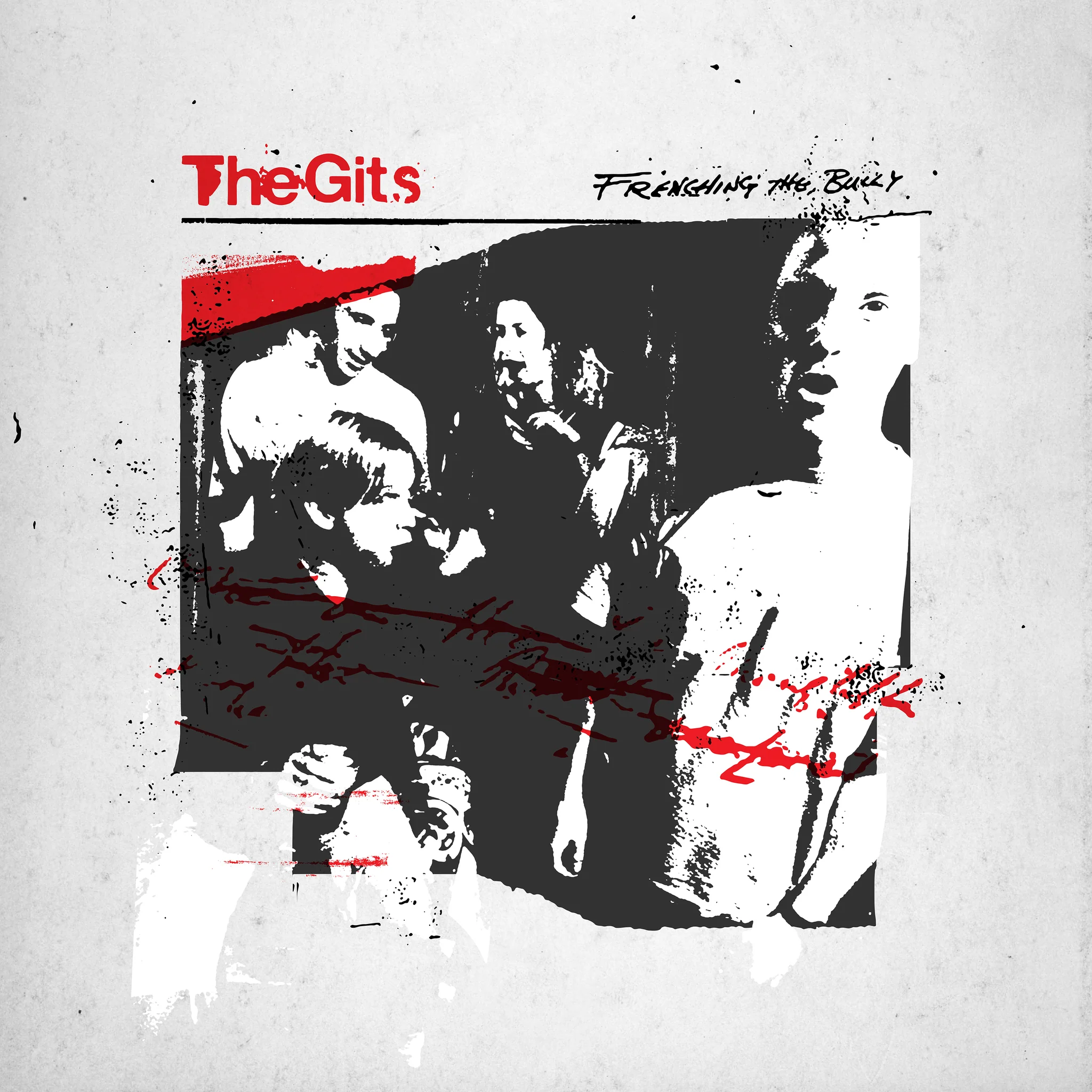
Scene Point Blank: How’s the reception been to the re-releases of Frenching the Bully and Enter: The Conquering Chicken on Spotify and other platforms?
Steve Moriarty: The kids are really discovering us on Spotify. Analytics show where the music is streaming and which countries are listening. But it doesn’t pay much. Streaming is less than a penny per listen. Even a million plays won’t cover a cell phone bill. Most of the income comes from merchandise, not streaming.
Scene Point Blank: How do you manage music, book tours, and therapy work?
Steve Moriarty: Honestly, I don’t have much free time. No girlfriend, so it’s juggling therapy, writing, and touring. I try to combine things efficiently -- for instance, two-piece shows alongside a book tour. Small venues, bookstores, intimate spaces -- it works well. My current band is small and versatile, so we don’t need a big system. That flexibility makes it doable.
Scene Point Blank: How do you approach your personal projects now?
Steve Moriarty: With honesty. Whether it’s music, therapy or writing, I try to be straightforward and authentic. That’s what Mia modeled. People respond to sincerity more than polish. The DIY ethic still guides me -- small teams, minimal interference, doing things because they matter, not because they’re commercially strategic.
Scene Point Blank: Any advice for aspiring musicians or bands?
Steve Moriarty: Be fearless, be authentic, and don’t compromise your values for convenience. Find a community that supports you, and don’t underestimate the power of raw, human energy. Perfection isn’t the goal -- connection is.
Scene Point Blank: Do you still feel the same excitement listening to early Gits recordings?
Steve Moriarty: Totally. The rawness, the imperfections -- they’re part of the charm. You hear the passion, the urgency, the DIY ethic. There’s nostalgia, but also pride. Those recordings capture a moment in time that can’t be replicated.
Scene Point Blank: Finally, how do you want people to remember The Gits and Mia?
Steve Moriarty: Honest, fearless, and uncompromising. Not as a tragedy, not as a novelty, but as a band that gave everything they had. And Mia -- always remembered for her humor, courage, presence, and the way she made everyone feel like they belonged. There was only one Mia!
***
The Gits – Discography (Selected Releases & Rereleases)
Studio Albums
Frenching the Bully (1992) – Debut album originally released on C/Z Records; remastered and reissued on vinyl and CD in 2025 by Sub Pop Records, with new artwork and packaging.
Enter: The Conquering Chicken (1994) – Second full‑length studio album originally on C/Z Records; remastered and reissued on vinyl and CD via Sub Pop on December 5, 2025, with expanded liner notes and new cover art.
Remastered Catalogue Reissues (Sub Pop)
All of the following have been remastered by Jack Endino and reissued by Sub Pop, with updated artwork by Jeff Kleinsmith:
Frenching the Bully (2024 Remaster) – Sub Pop release (catalogue SP1648)
Enter: The Conquering Chicken (2024 Remaster) – Sub Pop rerelease (catalogue SP1649)
Kings & Queens (2024 Remaster) – Collection of rarities (catalogue SP1651)
Seafish Louisville (2024 Remaster) – Compilation remaster (catalogue SP1652)
Live at The X‑Ray (2024) – New live release capturing a 1993 Portland performance (catalogue SP1653)
Record Store Day & Special Releases
Etcetera (RSD 2026 Edition) – A special limited‑edition LP released for Record Store Day 2026 (April 18, 2026) on white or clear/black & white marble vinyl, featuring unreleased live, session, and rare tracks curated from the band’s vault for the first time on vinyl