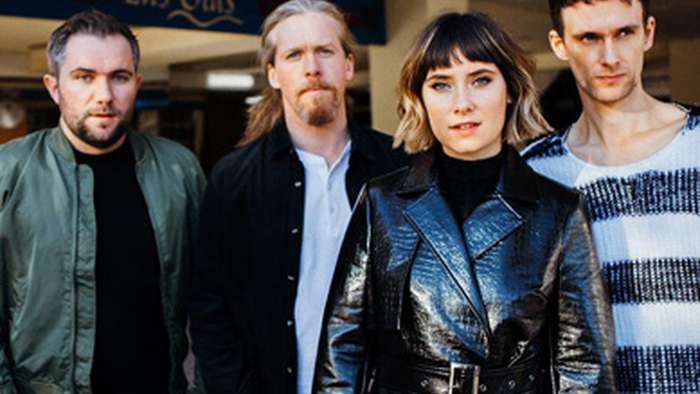
Achieving phenomenal success with the release of your debut album is the kind of thing that most bands can only dream of, but what happens when the time comes to work on your highly-anticipated second album? The singles from Irish band Walking On Cars' mesmerising debut Everything This Way got near constant radio play in their native country and saw them develop a significant German fanbase, while the album itself sold in excess of 300,000 copies worldwide.
The band toured extensively for a long period following the release of their debut album in 2016, and the band underwent changes in the ensuing years. The five-piece became a four-piece with the departure of original guitarist Dan Devane, and the band also changed management before they began work on their new album, Colours.
When asked if he felt the enormous success of the band's debut had helped or hindered Walking On Cars when they started working on Colours, the band's frontman, guitarist and lyricist, Patrick Sheehy, says it "probably hindered, to be honest. We approached the writing the wrong way at the beginning of this process. We wanted to write a successful album, but we back-tracked and focused on getting honest and a bit more vulnerable with the writing, and I think people will see that when they listen to Colours."
Colours is a synth-driven album, pushing the boundaries of the band's previously guitar-flanked sound, but still containing Patrick's commandingly deep voice and poetic lyrics at the centre of each track. The synths are an ever-present, propulsive element of the album, and when the band recorded part of Colours in Angelic Studios in Oxford it was a veritable playground for keyboardist Sorcha Durham, as the studio was set up by the keyboard player from Jamiroquai and so had an extensive set-up of synths, as Sorcha explains.
"We recorded some of the record in Angelic Studios," she says, "and they have the most incredible selection of vintage synths. I was in my element. I definitely wanted to explore that world a lot more and we struck gold having that selection to play with. I also recently got a Prophet 6 and wanted to incorporate that in as it has such a great sound. You can get that silky smooth texture as well as more driven, fat sounds so it’s very versatile."
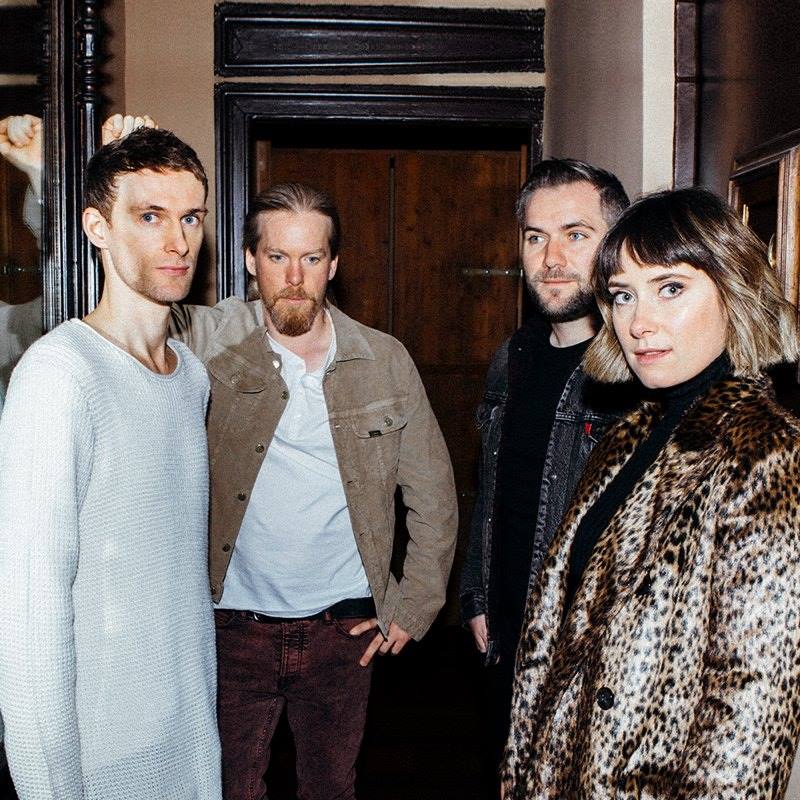
The band, including bassist Paul Flannery and drummer Evan Hadnett, also recorded part of the album in RAK in London, with producers Tim Bran and Roy Kerr of MyRiot, who've also worked with London Grammar and Birdy. Patrick reflects on this as being a roundly positive experience that enabled the band to make the album sound exactly as they hoped it would.
"They are great to work with. They’re so talented but also hilarious to hang out with. I think they brought energy to the record where it was needed, and layers of great sounds that blend really well. We really trusted them with the songs and we are very happy with how the record is sounding."
One of the album's highlights is "Coldest Water", an intensely personal song that deals with Patrick's relationship with alcohol. Replete with sombre and arresting lyrics that confront mortality and also give a nod to the album's title ("We realised that one day/We would be the ground/And all the colours we are now/Would fade in time"), the song launches into a glowing chorus with bright synths and a climactic sound. Now five years sober, Patrick says he didn't find it daunting to put the song out there for the world to hear.
"I feel like it was the right time to release this track," he says. "I think when you put yourself out there like this it can help others with their own demons, so I was happy to put it out."
Despite recording Colours in the UK and seeing success with the band, Walking On Cars have bucked the trend of many bands who move to a major city when their music gets recognition. For now, the four-piece are still very much based in their hometown of Dingle, an idyllic seaside town on the southwest of coast of Ireland and, as Patrick explains, being there has a positive impact on the band.
"I think it’s kept us grounded, We like the simple life in Dingle. I think it’s kept our music honest and we have no plans to leave."
However, the band will be away from the tranquil environs of Dingle for the next while as they embark on a tour in support of Colours, filled with shows where Patrick promises the audience can expect to see "a bunch of friends singing honest tunes with energy, emotion and a few unnecessary guitar solos!"