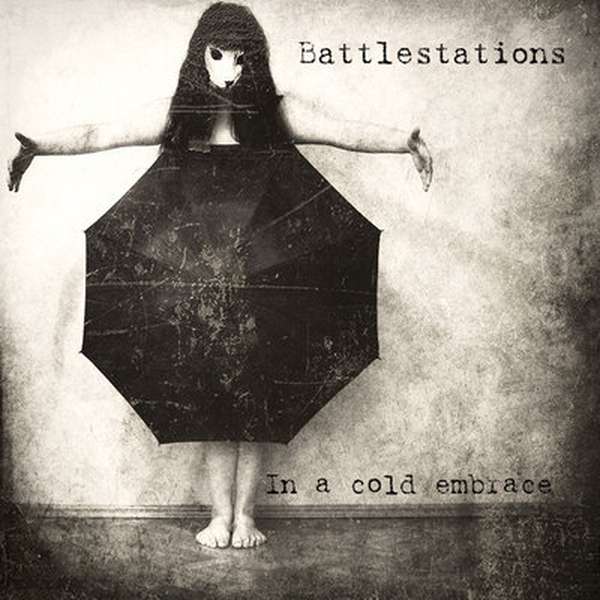
Battlestations is one of those bands that is doing amazing things despite the fact that no one seems to have heard of them. I stumbled upon them completely by accident while looking for an entirely different band—and I still feel very fortunate for that mistake. Their eponymous debut was solid, but Battlestations have really begun to stretch themselves to the boundaries of post-rock with their second full-length album, In a Cold Embrace.
First and foremost, Battlestations seem much more confident with themselves as independent songwriters with this release. Unlike their debut, which was basically a ripoff of Godspeed You! Black Emperor's F?A?∞ with a fresh coat of paint, In a Cold Embrace shows a much larger presence of unique thought. The band seem to believe much more in their own compositional techniques—instead of relying heavily on stylistically copying another artist, the music seems to have developed its own identity.
And just what does the music sound like? Well, as I mentioned before, it is heavily grounded in post-rock—there's tons of repetitious, drawn-out compositions and lots of dynamic writing. Unexpected, however, are the elements of electronic and ambient music at work. The electronic soundscapes that are draped over the framework of the instruments do an incredible job of enhancing the musical experience, making it something unlike anything I could have imagined.
One thing that has remained consistent with the band is their incessant brooding. This album projects a world view that is every bit as dreary and gloomy as their debut. Well, perhaps that's not entirely true—while Battlestations seemed to be nothing but depressing, In a Cold Embrace seems just a bit more thoughtful and mature. It's still a very sad album, sure, but it feels more melancholic and contemplative than its predecessor.
The shift to shorter pieces (comparatively, anyway) has also suited the band well. Let's face it—while their debut was good, it had a lot of chaff on it. The main reason for that was that the band seemed incredibly preoccupied with being a GY!BE expy—it sounded like they were beefing up the song runtimes because they felt obliged to copy their form to a t. Now that they're developing a bit of their own identity, the music has lost much of the bloat and digressions that marred their first release. As a result, the music is also much more fulfilling and interesting to listen to, without having to slog through sections of irrelevance.
It is a crime that more people haven't had a chance to hear this band. I highly suggest you drop whatever it is you are doing and go listen to this album. If nothing else, I can guarantee it's something you haven't heard before.
Recommended if you enjoy: Any band related to Godspeed You! Black Emperor