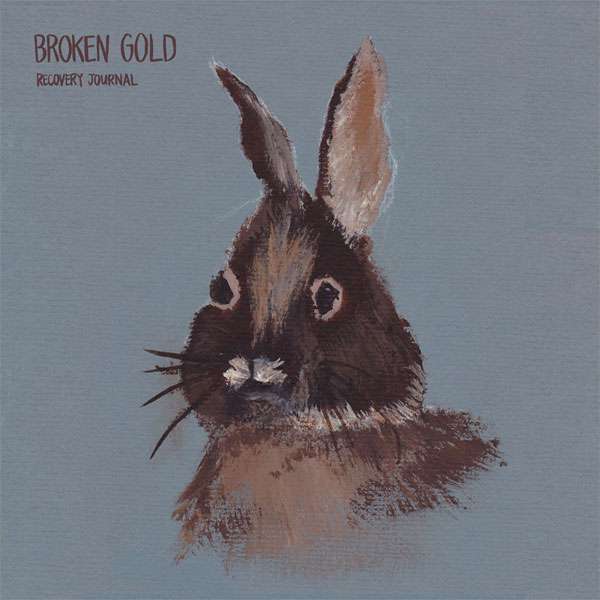
When a band names their record Recovery Journal it should come as no surprise that the dominant impression is one of earnestness. Broken Gold is the Riverboat Gamblers’ guitarist Ian MacDougall’s project, drawing from varied personal experiences with recurring themes of alienation, heartbreak, and addiction—some drawn from his experiences after his bicycle was hit by a car in October 2009, which left him with major injuries.
The band, a three-piece also consisting of drummer Richard Cali and ex-Riverboat Gamblers bassist Patrick Lillard, sounds very little like MacDougall’s other band. Broken Gold takes a decidedly British turn, with influences coming in the form of bands like the Smiths, the Clash, and Stone Roses. Songs like “Ambulance Faces” and “Locked Out” take a Britpop vocal delivery, but the guitar meanders, taking less of a rhythmic approach than any of the aforementioned bands. “Mirrors” is a ballad of sorts, slowing down the tempo and relying on an emotive delivery that shows glimpses of the Smiths, but pushing keys into the background and focusing on the guitar. With lyric passages like, “I looked in the mirror for a second/realized I didn’t like what’s in it” delivered in MacDougall’s gritty wail, the emotional side of his songs clearly shines through. Later, he pulls from the Replacements book of gritty honesty with a more direct rock’n’roll foundation in songs like “Message to a Friend” and “Snow Day.” In general, the guitar is Broken Gold’s foundation, with an emotive, wailing MacDougal clearing his throat and his chest while piling on heavy doses of his influences. His primary vocation clearly isn’t as a singer, but he holds his own and the gruff delivery adds to the honesty and longing behind the record.
Overall, the record isn’t that bad. MacDougall writes well-crafted songs with building energy and heartfelt emotion—the problem is that nothing really separates itself from the pack on Recovery Journal. That last paragraph dropped a lot of names, and few of them were members of the band. Especially given the personal implications of the record’s concept, it fails to grip or to paint much of a picture of the artist who created it.
Related news

Broken Gold Sends You Spiraling With New Track
Posted in MP3s on February 6, 2024
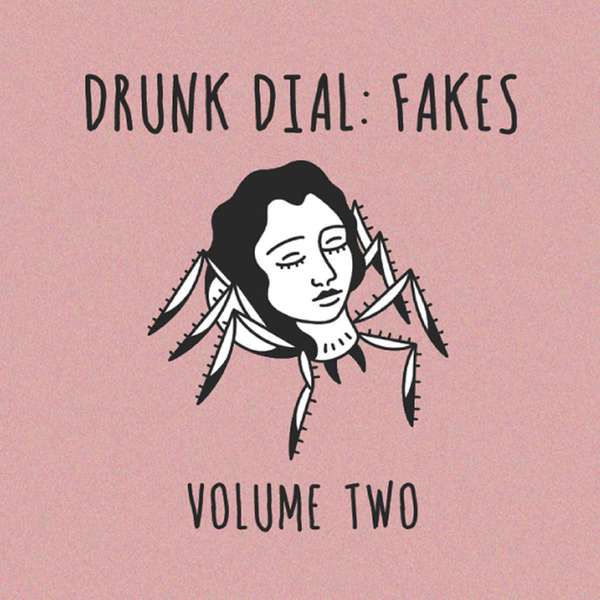
Hear real bands cover fake bands (Fakes - Volume 2)
Posted in Records on June 3, 2023