During the 80s and the rise of darkwave, Dead Can Dance was one of the visionary acts that begun experimenting with the darker sound of gothic rock. Built around two magnificent vocalists, Brendan Perry and Lisa Gerrard, the project evolved from its darkwave roots into something much more potent and unique. In their first phase, Dead Can Dance took on neo-classical elements, presenting grand arrangements that created the band’s epic manifestations. Seminal works like Spleen and Ideal, Within the Realm of a Dying Sun, The Serpent’s Egg, and Aion all revelled in that mode of operation, but after that Dead Can Dance started to mutate. In their second phase, the band started to incorporate more diverse elements, from a plethora of different musical traditions. It is best described as a world music perspective, which saw albums such as Into The Labyrinth and the impressive Spiritchaser come along.
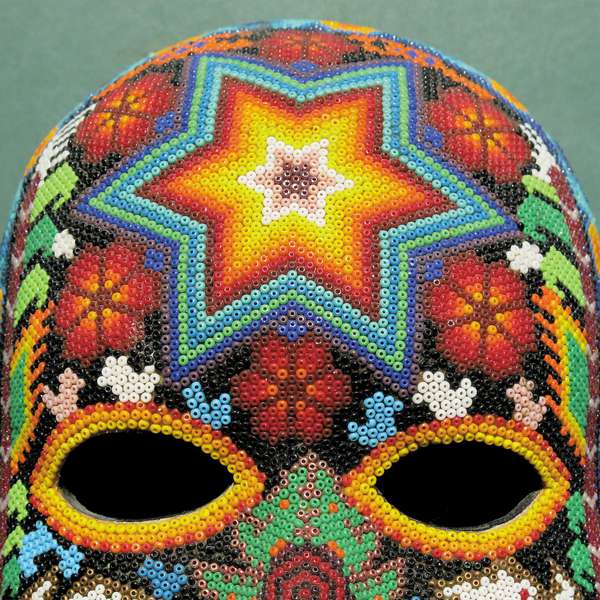
After the release of Spiritchaser the band broke up, with Perry and Gerrard taking their separate roads and focusing on their solo releases. However, thankfully Dead Can Dance would rise again 16 years after Spiritchaser with the exquisite Anastasis. In this resurrection the duo found a striking balance between their dark earlier days and the incorporation of world music elements, resulting in an impressive work of ritualistic music. Now, they return with their newest endeavor Dionysus and display a leaning towards their world music side.
The record is named after the Greek god Dionysus and Dead Can Dance perform a very interesting diatribe in the many stories revolving around the mythological entity. Dionysus is the god of ritual madness in ancient mythology, and it is that ritualistic aspect that Dead Can Dance attempt to awaken in this work. In that regard, the repetitive element of the record is key to enhance the ceremonial-like progression. The opening track “Sea Borne” with its percussion produces this mesmerizing effect and slowly introduces an unearthly procession. The inclusion of traditional instrumentation, as the davul and the ocean drum, is key in achieving this transcendental element and these instruments become the main anchors for the investigations of Dionysus.
Continuing to explore all the different facades of Dionysus, the band dives into the psychotropic world of the Dionysian mysteries, ancient rituals where intoxicants were used. This bizarre territory is visited with “Liberator of Minds” as the main theme of the track sees the stunning melodies produce a spectrum of colorful lights with their sharp presence. On the other hand, this psychedelic touch takes on a more atmospheric approach with the inclusion of ambient sounds, mainly through the use of bird whistles, which create a more complete and impressive sonic collage.
Dead Can Dance always immerse themselves in the world music spirit, and in Dionysus they perform a deep dive in many of the Greek, Slavic, and near Eastern musical heritage. The zourna from the opening track showcases this lineage, as its piercing characteristic acts as a primal scream echoing through the ages. The gadulka/lira further enhances that attribute, transforming the psychedelic soundscapes around it, while the gaida making an appearance in “The Mountain” sets an impressive folky tone.
The one quality where the record slightly suffers is the sparser vocal delivery. While the instrumentation and arrangements are rich, it feels that more should be heard of the unknown tongue that Gerrard and Perry have constructed. This also leads to tracks like “The Mountain” and “The Invocation” being more impressive, as they contain more of the transcendental deliveries of the two vocalists. Still, Dionysus and the study that Dead Can Dance has performed on the subject and the quality of the record are nothing less than impressive. It is a strange, colorful listen that sees a well-known side of Dead Can Dance reconfigured to fit another aspect of world music, bringing these ancient rituals back to life.