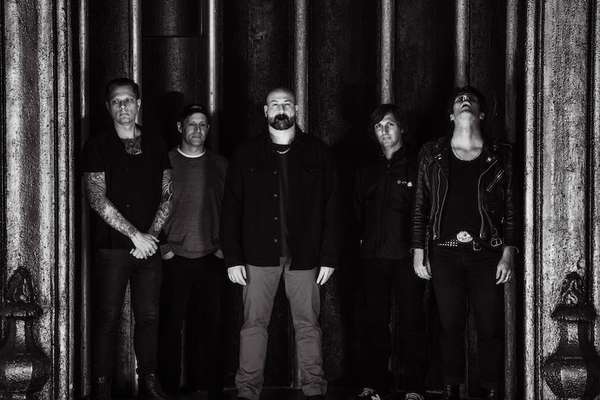
There’s no way to talk about Peace In Place without acknowledging the shadow it steps out from. Poison the Well isn’t just another reunited band dusting off an old name. They’re literally architects of the genre. The Opposite of December… A Season of Separation didn’t just help define metalcore, it rewired how heaviness and vulnerability could coexist. And honestly, is still one of my favorite albums of all time. That kind of legacy usually traps bands in a box. Peace In Place isn’t interested in preservation.
A full sixteen years removed from their last full-length, Poison the Well return sounding older, angrier, and more grounded. They aren’t showing off nostalgia, but experience. This is not a band trying to recreate 1999. If anything, Peace In Place feels like a reckoning with everything that came after it. All the years away, the unresolved emotions, and the reality that time doesn’t soften frustration so much as harden you.
From the opening stretch of the record, it’s clear this is one of the most confrontational albums they’ve ever made. The riffs are urgent and sharp, the rhythms hit with physical force, and the breakdowns feel less like crowd cues and more like needed explosions. Songs like “Wax Mask,” “Primal Bloom,” and “Thoroughbreds” hit with a coiled aggression that doesn’t explode immediately but tightens, waits, and then collapses inward. When things do get massive, it feels earned, not performative.
Lyrically, Jeffrey Moreira sounds less interested in catharsis and more focused on clarity. This album isn’t a scream therapy record. It’s reflective in a way that makes the anger heavier, not lighter. Themes of broken bonds, long-term disillusionment, and emotional endurance run throughout the album. “Thoroughbreds,” in particular, cuts deep. It’s not about sudden betrayal, but the slow realization that some relationships fail after you believed they were permanent. That perspective gives the album its bite. This is anger sharpened by time, not impulse.
What’s striking is how balanced the record feels despite its intensity. Poison the Well still understand dynamics better than most of their peers. Moments of melody don’t soften the impact but deepen it. Tracks like “Weeping Tones” and “Drifting Without End” pull back just enough to let the emotional weight settle before plunging forward again. It’s heavy music that breathes, and that restraint keeps the album from feeling exhausting.
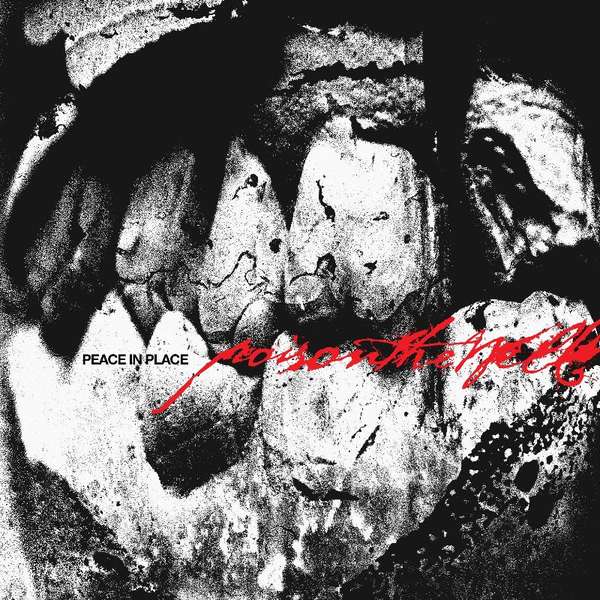
Sonically, the band sounds enormous without feeling modernized for the sake of relevance. There’s no trend chasing here, no glossy production masking weak ideas. Everything feels intentional. Even the collaboration with Frank Maddocks on the album artwork fits. It’s understated, ominous, and reflective rather than flashy. It complements the record’s tone perfectly.
Peace In Place isn’t a victory lap, and it isn’t a throwback record. It’s the sound of a band confronting who they were, who they are now, and the space between those versions. Poison the Well didn’t come back to reassure anyone or even validate themselves. They came back because they still had something unresolved to say and that urgency is what makes this album matter.
If this is Poison the Well’s final chapter or the beginning of another era doesn’t really matter. Peace In Place stands on its own. It’s heavy, honest, and unafraid to sit in discomfort. That’s not just a successful comeback but it’s a necessary one.