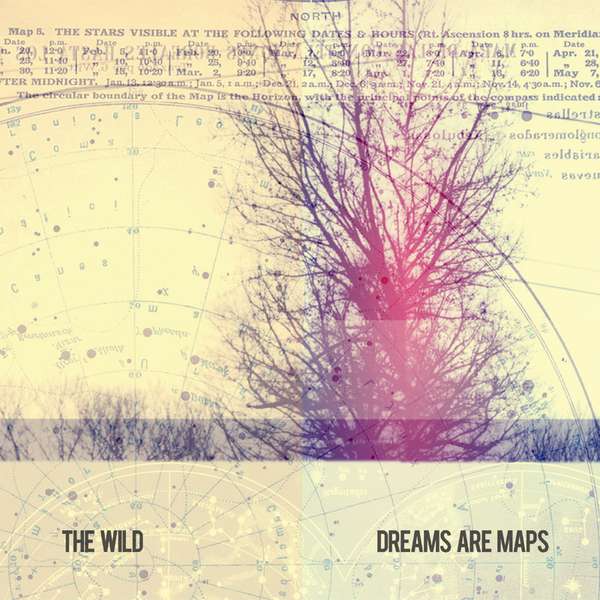
Maybe Defiance, Ohio are the height I hold the folk-punk genre to, maybe it’s just that they’re the first such band to really click with me. Regardless, on listening to The Wild’s second full-length, Dreams Are Maps, I find myself making several comparisons. Given the context that’s a good thing. Given the band’s overall sound, well, there are also some pretty big differences.
The similarities come quickly: genre, vocal deliveries and trade-offs, and the voices themselves. The difference, though, is important. It’s clear that a lot of studio work went into the overall product. The levels are steady from start to finish, the sound is crisp, and everything focuses on remaining in tune and creating an unblemished product versus capturing the live feel. It’s more tightly-knit, as in the bluegrass-tinged “Cut from the Cloth,” which flies by at a punk rock pace. It’s a full sound, perhaps partially achieved as a result of vocalist Witt Wisebram’s previous experience as a solo musician, increasing his awareness of what full band instrumentation and dynamics are capable of. Laura Jane Grace (Against Me!) did the recording.
These tighter songs create a more welcoming atmosphere. One that an outsider can quickly adhere to and enjoy without the requisite “acquired taste” aspect. Both vocalists, Wisebram and Diana Settles, trade off on songs, either taking entire songs or individual verses, and both have their strengths. Wisebram is calmer and more soothing, which Settles tends to have a bit more rough-around-the-edges spunk. The contrast plays well, giving extra power when they switch and a nice unity as they pull together. The energy really ebbs and flows, with slower numbers like “Five Senses (Everything will Change)” and louder, faster songs that never hit on punk aggression, but pull a strong influence, such as in “Cut from the Cloth.”
It’s a nice package, complete from start to finish, covering a range of emotion and tone while maintaining an outsider perspective. It’s personal and political, and there are definitely some depressing songs, but with positive moments scattered within. Anyone even the slightest bit interested in the folk-punk genre should check this record out, as should those who just like their punk honest, direct, and well-structured with a fair shake of bluegrass coming in as well. Fans of Plan-It-X Records should also take note.
Related features
The Wild
One Question Interviews • January 24, 2015
Related news

The Interrupters In The Wild in August
Posted in Records on April 13, 2022
1QI: CJ Ramone, The Wild, Kowloon Walled City, HammerHeart Brewing
Posted in Bands on January 18, 2015