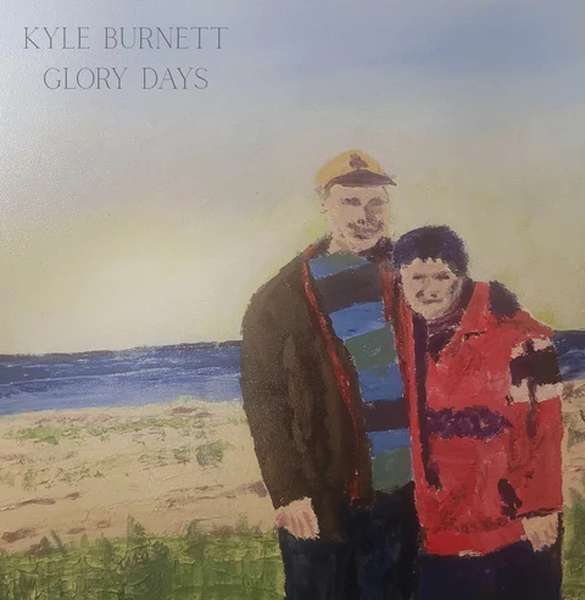
There’s a form of folk punk that treats every song like a drunken campfire confession with all its ragged shouting and romanticized self-destruction. Then there’s the version that feels mature and more reflective. It’s less interested in glorifying collapse and more concerned with figuring out what comes after it. Kyle Burnett’s Glory Days firmly belongs to the latter category.
Best known through his work with his band Dead Rights, Burnett’s solo debut trades the full band aggression for something far more personal and stripped down. The record centers around spending time away from home, old versions of yourself, broken relationships, belief systems, and the memories we create after enough time has passed. It’s an album rooted in movement and reflection that’s constantly looking backward while trying not to get stuck there.
Musically, Glory Days sits comfortably within the folk punk tradition, but it avoids many of the genre’s more cartoonish tendencies. Burnett isn’t trying to sound reckless for the sake of authenticity. The songs carry some weight because they feel personal rather than performed. Acoustic guitars drive most of the record, but there’s enough texture and melodic variation throughout to keep things from becoming one-dimensional. The first six tracks are full band tracks with driving with electric guitars and drums while the last four are acoustic (but more about that later). Fans of Chuck Ragan and Frank Turner would enjoy these offerings from Kyle.
“Take Me to the Water” stands out as one of the album’s emotional anchors, balancing vulnerability with a quiet sense of resilience. Elsewhere, tracks like “Scapegoat” and “Just Like You” wrestle with accountability, faith, and personal failure without turning inward in a self-pitying way. Burnett’s writing works best when it stays direct. He doesn’t bury emotions beneath elaborate metaphors or abstract imagery. These songs succeed because they sound honest. Vocally, Burnett’s delivery carries the rough edges you want from this kind of music. There’s strain in his voice at times, but it adds character rather than distraction. He sounds like someone trying to work through these thoughts in real time, which gives the album a sense of immediacy even in its quieter moments. At times his voice is reminiscent of Conner Oberst from Bright Eyes.
As mentioned before, one of the more interesting choices is the inclusion of acoustic versions of several songs in the album’s second half. On paper, that kind of repetition could feel unnecessary, but here it feels like it reinforces the record’s themes. Hearing these songs stripped back even further gives them a different emotional shape, almost like revisiting memories from another angle. The acoustic takes don’t exist as filler but feel like extensions of the album’s reflective tone.
What makes Glory Days land is its lack of pretense. The record doesn’t try to reinvent folk punk or position itself as some grand statement. Instead, it succeeds through sincerity, strong songwriting, and a willingness to sit with uncomfortable emotions without forcing clean resolutions. There’s sadness running through the album, but there’s also acceptance. There’s the realization that sometimes growing older means recognizing that the places and people you spent years trying to escape still helped shape who you became.