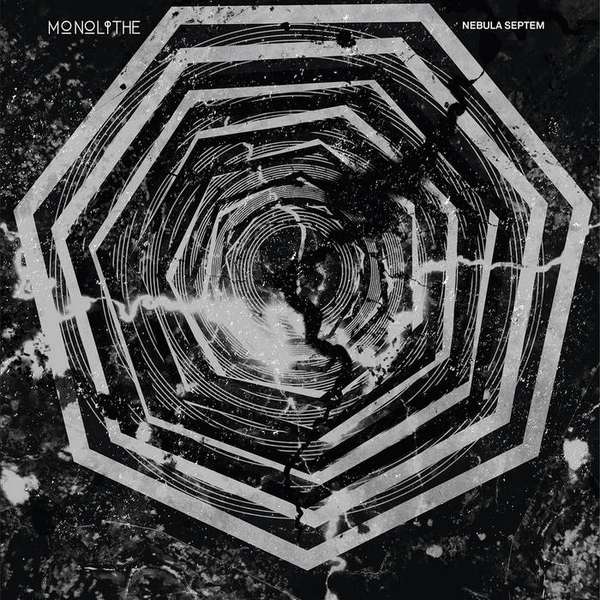
Concept albums are hardly a new thing but for French band Monolithe and their seventh record, the conceptual aspect has been taken to the next level. Seven songs, exactly seven minutes long, each beginning with the first seven letters of the alphabet in sequence with each letter signalling the tonality of the track that is playing......it all sounds like a heck load of work and the seven people (yep) behind the music have constructed a work that revels in this drama.
Taking themes from science fiction and rendering them through the lens of gothic and progressive doom, Monolithe have taken steps from their formative years and moved themselves into much darker territory on this release. New vocalist Rémi Brochard is an aggressive presence and the six members of the band are bolstered by guest Sebastien Pierre who provides texture with his voice and allows the band to attain the highly precise concept they have for their music.
Nebula Septem begins on "Anechoic Aberration," a track that sets out the patterns for what follows. Guitars are weighted in darkness and the gloomy atmosphere has a tangible thickness that builds into towering walls of sound throughout. "Coil Shaped Volutions " is death/doom at its most despairing with Monolithe taking their time to create whole worlds within their compositions. The guitars climb into sorrowful heights before giving way to the cosmic synths of "Delta Scuti" and its electronic beats. Used sparingly and to great effect, the keyboards are woven into the fabric of the song rather than overwhelming the structure. It's deftly done and Monolithe's take on the 'less is more' approach works incredibly well here.
"Engineering The Rip" begins on those trippy synths again before they segue cleverly into the guitars and a strangely melodic track that delves deep beneath the surface of humanity and speaks of total finality. It's a gorgeous song that moves fluidly from soaring sounds to churning guitars to guttural vocals underpinned by strings and orchestral movements - the closing moments are tense, swiftly moving towards the end and ramping up the drama to the highest level. It's a stunning moment on a record filled with wonder that continues into the hypnotic "Fathom the Deep" and ends on the beautifully bittersweet "Gravity Flood."
Nebula Septem is a record that is more than the concept its built upon; it's mesmerising, powerful, dramatic and expressive. The high concept themes are cohesive and play to the strengths of the band and not a moment passes that isn't intricately structured and laid out. It's truly breathtaking.