Circa’s Peepshow
Opera House
Sydney, Australia
February 7, 2021

Taking elements from the realms of circus burlesque and cabaret, the Australian circus company Circa has refined its own idiosyncratic melange of acrobatic feats with a twist since its inception in 2004.
Split into two acts with an interval and based on the underlying concepts of temptation, glamour and voyeurism, Circa’s Peepshow is a tour de force of classy contemporary cabaret with equal parts of clowning, aerial feats (with especially the slower male performances being interestingly reminiscent of Francis Bacon paintings), ballet and traditional circus skills peppered in. Despite the show’s title, the show is firmly grounded on storytelling instead of relying on gimmicky displays of nudity.
Serenaded by a well-curated score comprised of classic songs, orchestral arrangements and accompanying bass centric beats, the protagonists journey of self-discovery and sensual rituals are set in scene in an alluring manner, which serves as the melodramatic foundation for the individual acts expressing themselves through their scantily clad bodies.
After Circa’s fantastic, more philosophically minded Humans 2.0 incarnation as part of the recent Sydney Festival, Peepshow showcases the versatility of the troupe the playful, glittery and cheeky facets of Director Yaron Lifschlitz and his ensemble.
Summa summarum, Circa’s Peepshow is an eighty minute long celebration of concise, charming sensual and dazzling variety that could have not asked for a better stage than the Drama Theatre of the Sydney Opera House.
 There are quite a few commonalities between music and fragrances in that at closer inspection, both are based on harmonious compositions and notes that have been arranged and blended together in a concerted manner – all of which has been done to portray the composer’s vision that transcends the vehicle itself and is enhanced by the active engagement of the recipient.
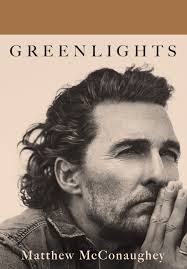 Love him, hate him – fact is that you’d be hard pressed to find anyone not remotely familiar with his face or some of the flics he has starred in.
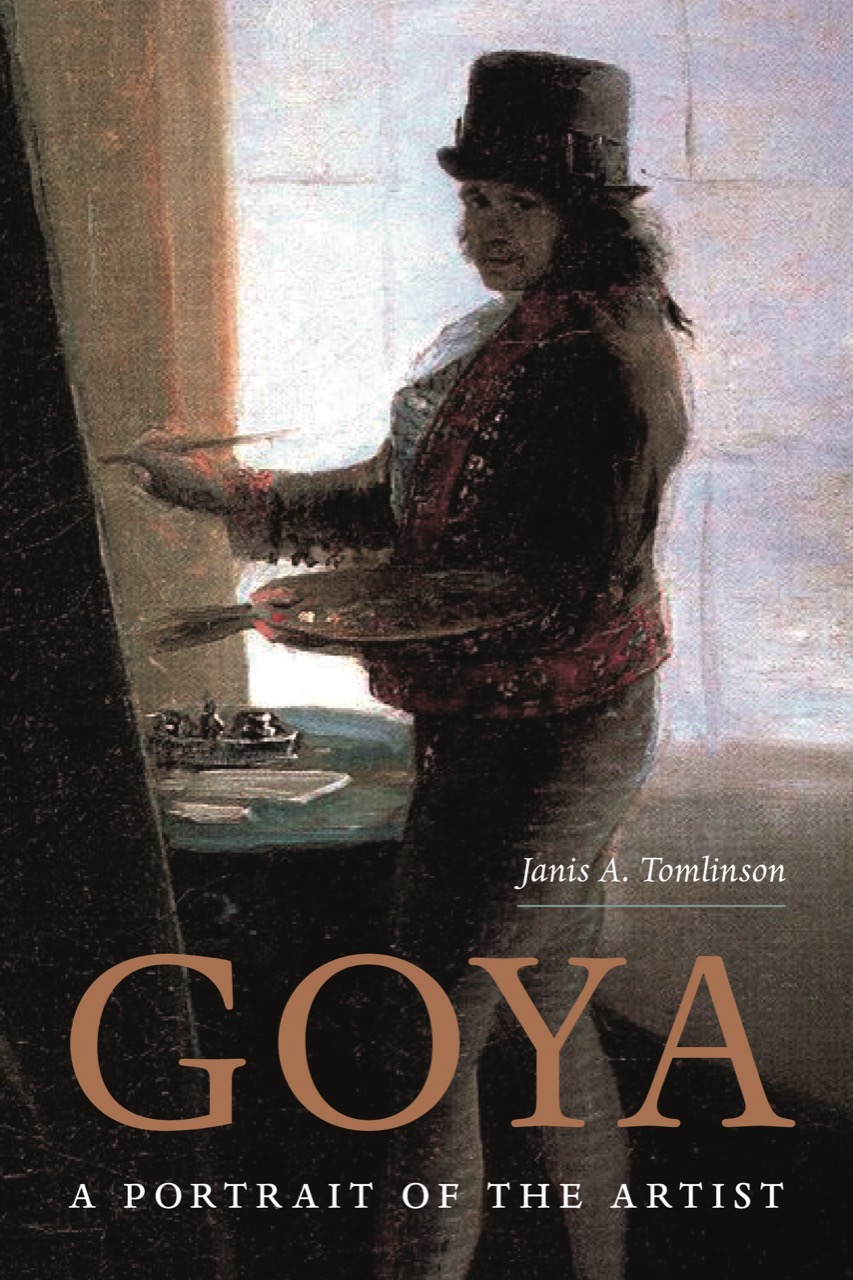 Claiming that coverage on the life and times of Francisco Goya has been patchy – at least outside the confines of the Spanish language, would be an understatement par excellence. It was about time for an in-depth biography, which Goya scholar Janis Tomlinson now provides.