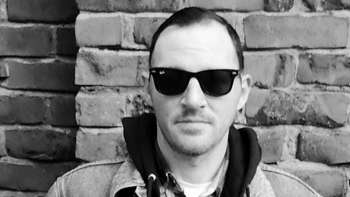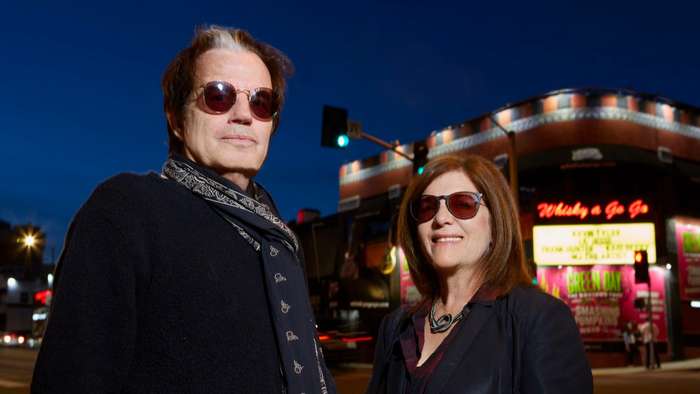
LA’s Art-Punk Pioneers Who Bridged Continents and Genres
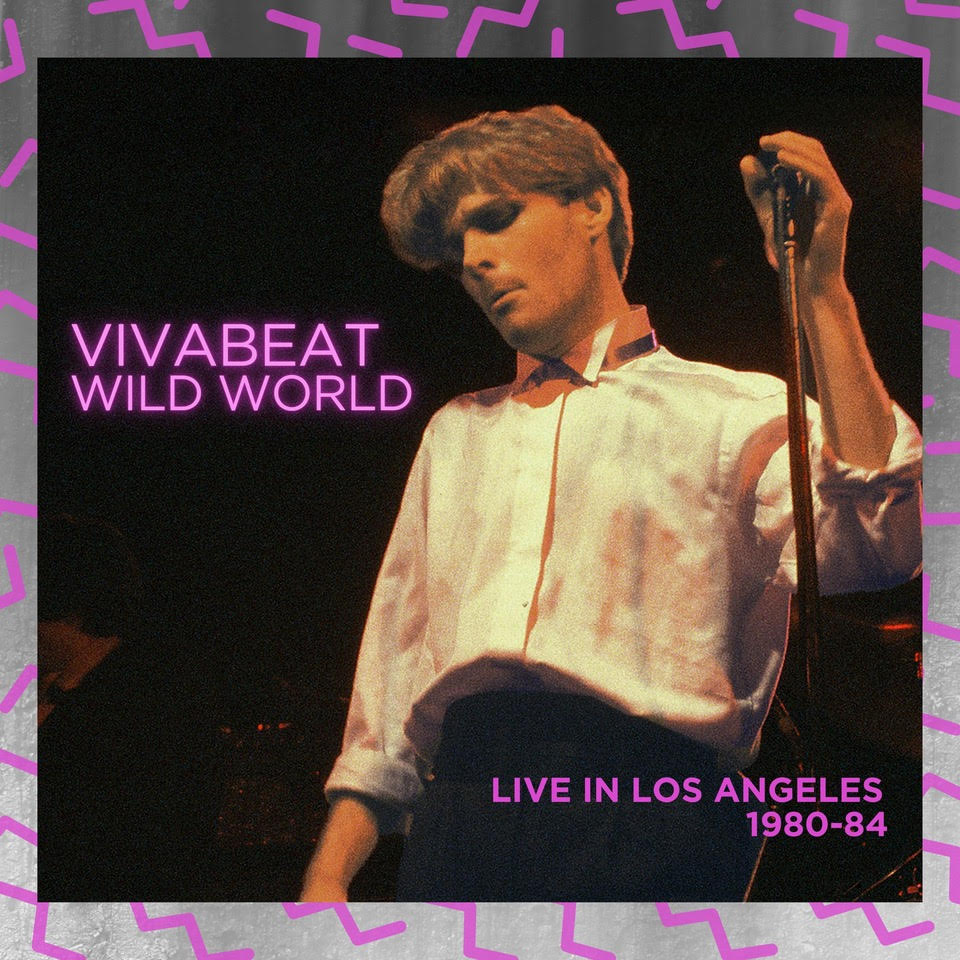
In 1978, Vivabeat emerged from Los Angeles with a sound that defied easy categorization. As I spoke with Marina and Mick years later, it became clear that this was a band always slightly out of step with the local scene -- East Coast transplants mixing with an Angeleno native, chasing a vision that leaned toward art-rock and electronic experimentation even as punk and new wave roared around them. Signed to the UK label Charisma Records after a fateful encounter with Peter Gabriel, Vivabeat created music that resonated in disco clubs, the early MTV generation, and underground art-rock circles. In this interview, they reflect candidly on their formation, influences, recordings, and the unusual path that set them apart.
Scene Point Blank: You formed in Los Angeles in 1978, but parts of the lineup had East Coast roots. Did you feel fully embedded in the LA scene, or slightly outside of it?
Marina: Personally, as a native Angeleno, I felt deeply immersed in the LA scene. The fact that we were signed to a UK label, however, and that more than half our band members were from the East Coast made Vivabeat seem like an outsider. We had no problem booking shows, but we never had a local scene vibe.
Part of it was that we were signed to a record deal with Charisma so quickly that we didn’t have time to cultivate a local following. It would have been far better to spend a year writing more songs and playing gigs before jumping into recording. Nonetheless, socially, Vivabeat hung out a lot with friends in LA bands like The Go-Go's and Wall of Voodoo.
Mick: We, for the most part, always considered ourselves not only outside the LA scene, but also that the LA scene was irrelevant to what Vivabeat was doing musically. Despite the distance, we always felt far more aligned with the English music scene of Roxy Music, Eno, Magazine, and bands of that ilk. The closest LA comparison would have been Sparks. Even though we didn’t actually go over to play in England, we felt way more closely aligned with bands from there than with anything happening in LA.
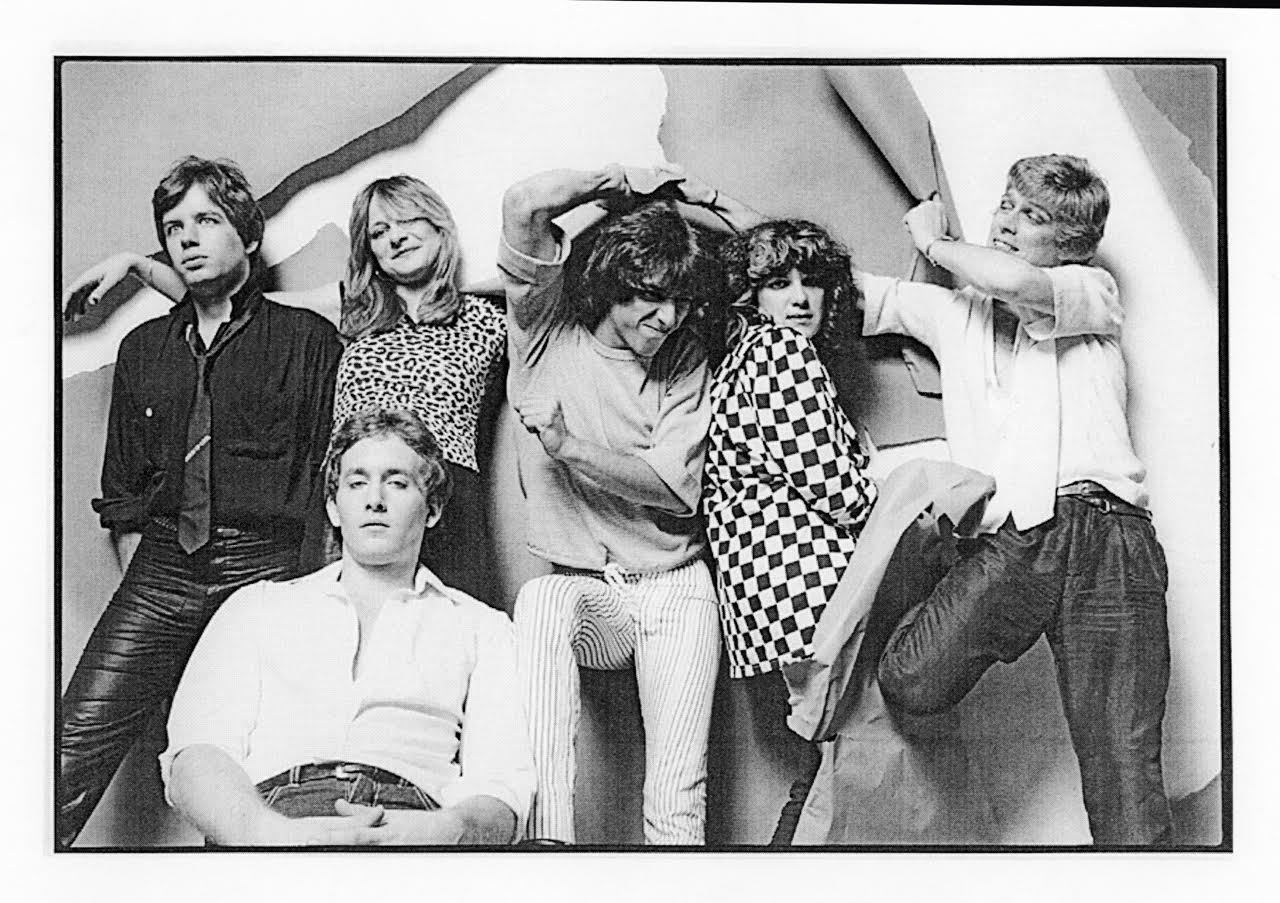
Scene Point Blank: Given your early connections to the LA punk circuit, do you consider Vivabeat part of that original scene, or more aligned with the post-punk/new wave movement that followed?
Mick: In real time, while the band was developing its sound, I don’t think we gave any thought to which musical genre or scene we belonged to. We were pretty insular, evolving in our own space and time, from being a bit hard-edged and punky to being funky, a bit ambient, and trying to find ourselves musically. As mentioned, our north stars were bands like Magazine, Roxy Music, Heaven 17, Scritti Politti, and, going way back, the '60s Motown sound.
Marina: I loved being part of the early punk and Masque club scene with my band, Backstage Pass, but Vivabeat grew out of a diverse range of influences and musicianship. While we had punk tendencies, we were definitely more aligned with the post-punk, new wave, and even glam movements -- if you can call them that. With a different lead singer, we might have leaned more into punk. Still, Terrance Robay had a flirtier, more sophisticated, and more versatile persona that stylistically aligned more with bands like Roxy Music and Sparks.
Scene Point Blank: Was there pushback locally when you leaned into keyboards and rhythm instead of distortion and speed, or was punk still loose enough that no one was policing the sound yet?
Marina: One of the amazing things about the LA punk scene was that it never felt judgmental. Especially early on, if you played with conviction, made it something new and fun or maybe shocking, and claimed your space, no one challenged you. No pushback. The scene was as arty as it was punky, and the door was pretty wide open. When I first started, many bands had keyboards. I learned a lot watching Steve Nieve in Elvis Costello’s band and Jimmy Destri from Blondie. I loved the experimental realm of synths and toy instruments, and to me, they were very punk. With Vivabeat, while we featured synths and keys in a big way, each of the three main guitar players we worked with -- Alec Murphy, Rob Dean, and Jeff Gilbert -- held their own at the forefront of our sound.
Mick: There was no pushback, simply because the local LA scene was pretty unaware of us. In fact, at the time, an LA Times article written by Robert Hilburn about the “New LA Music Scene” failed to mention Vivabeat. When we reached out to the Times to ask why Vivabeat was not included in the article, Mr. Hilburn said he thought Vivabeat was an English band.
Scene Point Blank: Bands like Suicide were the antithesis of hits -- minimal, confrontational, uncompromising. Did they influence how you approached Vivabeat, even if your music was more melodic?
Mick: I saw Suicide multiple times while I lived in Boston, and I truly loved what they did and their commitment to what seemed to me a rigid avant-garde sound of sonic repetition and dissonance -- kind of like a punk version of Terry Riley’s A Rainbow in Curved Air. I think Vivabeat’s approach to the music it created was largely shaped by the musicians in the band and their strengths.
As we were leaving, I surreptitiously tucked the new demo into a fruit bowl in Peter’s kitchen.
Scene Point Blank: “Man from China” feels ahead of its time. Did it feel radical then, or just like the most natural thing you could make?
Mick: That’s a great question. But in hindsight, looking back 40 or so years, I think as musicians we never could assess whether what we did was “radical” or anything else. We loved the work Giorgio Moroder and Kraftwerk were doing so our drummer, Doug Orilio, and I thought we’d take “Man from China,” which in its original form was a slow boogie track, and turn it into a disco song. The offshoot was that it became a moderate Billboard hit, and Terrance, our lead singer and a proud gay man, spent many a lovely evening lip-syncing to “Man from China” at gay clubs around California.
Marina: The version of “Man from China” you hear today is considerably different from our earliest demos yet, even then, everyone who heard the track responded to the hypnotic whistle, repetitive keyboard part, and the esoteric, rhyming lyrics. It had a magical quality that floated above the noise and kept it from being pigeonholed into a genre.
It grew organically out of late-night sessions with Vivabeat’s predecessor, Audio Vidiot, where we occasionally messed around with the piano part from ? and the Mysterians’ song “96 Tears.” When Audio Vidiot split into two bands, Vivabeat and the Vidiots, a more evolved version of “Man from China” became Vivabeat’s first single, with Terrance Robay’s ethereal whistle and our dreamy backup vocals.
Scene Point Blank: Peter Gabriel heard your demo and helped connect you to Charisma Records. Was that luck, hard work, or timing?
Marina: Most of all, meeting Peter Gabriel was a stroke of well-choreographed luck. Jane Ayer at Atlantic Records heard a demo of my band, Audio Vidiot, at the time and thought Peter would like the song “Man from China.” Working as a rock journalist was my day job, and she invited me to a fancy industry lunch and somehow arranged things so I sat beside Peter. We got along, and when he learned I was a synth player in a band, he said he’d like to hear our music.
I invited him over to my place that evening. The demo was pretty rough, but he liked it enough to say he was interested in seeing where it leads. Three new players moved out from Boston and, with a new lead singer, we produced a much more refined demo. Shortly after, I was in London and contacted Peter, who invited me to a party at his house in Bath. I went with my sister and Rich Barbieri from the band Japan. As we were leaving, I surreptitiously tucked the new demo into a fruit bowl in Peter’s kitchen and, about a month later, I got a call from him introducing me to the owner of Charisma Records, Tony Stratton-Smith.
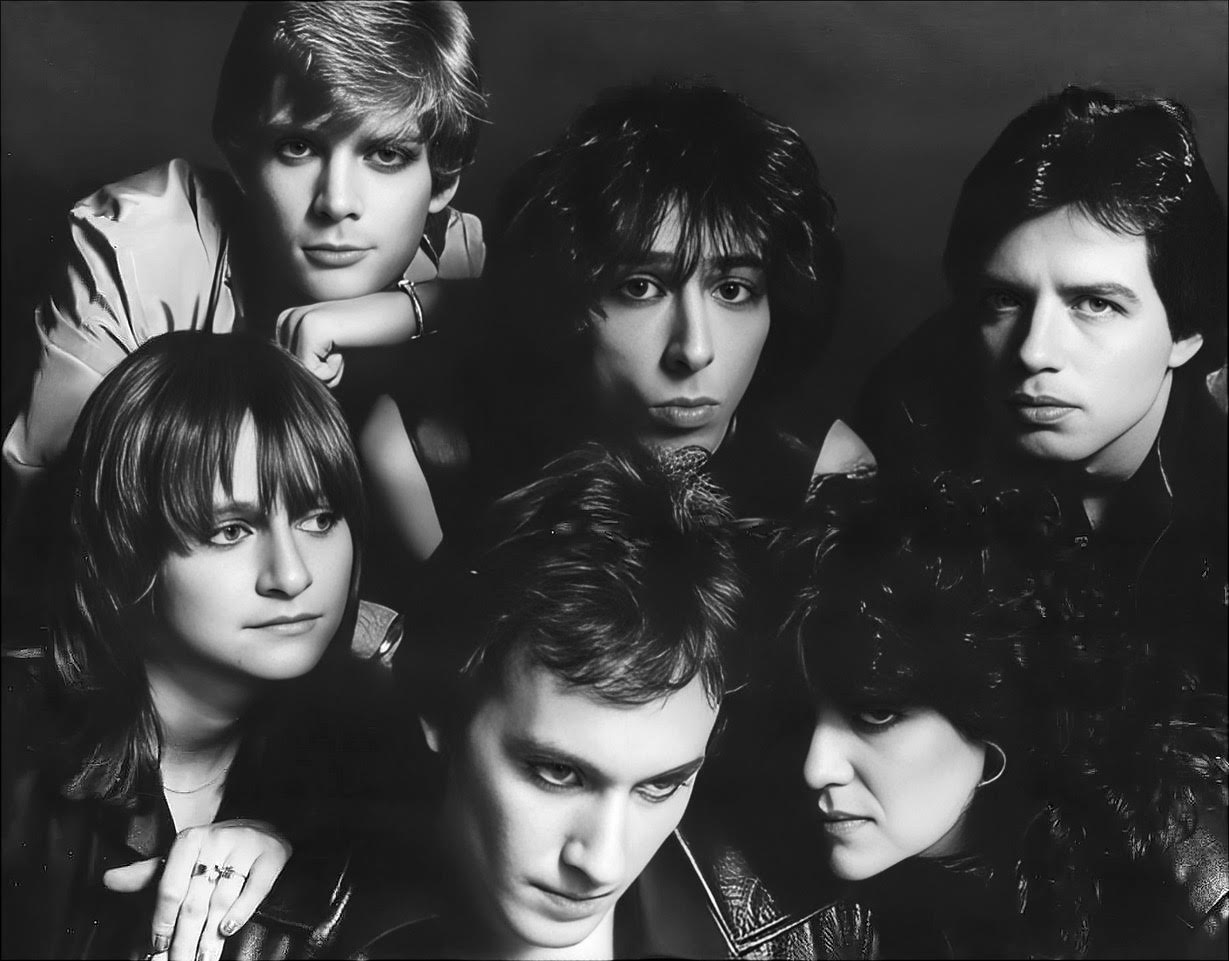
Scene Point Blank: Did being the first American band on Charisma translate into real support, or was it mostly symbolic?
Mick: Charisma had just finalized a distribution deal with PolyGram in the US, so PolyGram was in charge of promoting the band there. To put it lightly, absolutely nothing was done. Sadly, the same can be said for Charisma’s efforts in Europe and worldwide.
Marina: Technically, our album came out on Mercury in the US and, likewise, they did nothing to promote it. In fact, we were being added to radio playlists but were dropped off because, in many places, the album wasn’t even in record stores. Vivabeat's success was due to a disco promoter sending “Man from China” on a dance club sampler.
Scene Point Blank: Party in the War Zone carries tension under the pop surface. Was that intentional, or just the air everyone was breathing in 1980?
Mick: I’m not sure that when you write a song, you’re intentionally looking beyond the simple requirements of getting the melody right and the instrumental accompaniment being as cool as possible. That, after the fact, the song becomes a “tension under the pop surface” doesn’t stop it from becoming a point of pride for the person who wrote it. Kind of like, “Oh wow, that’s really cool.” We all want our songs to live beyond their audio lifetimes as statements about what we believe are relevant social and cultural issues.
Scene Point Blank: You shared stages with bands like Depeche Mode and The B-52s. At the time, did it feel like you were part of the same movement or on the outside looking in?
Marina: We were well cast playing shows with them, and although they were commercially more successful, creatively we were kindred spirits. Most of the bands we played with had just recently leaped to widespread success and treated us as equals.
Mick: We felt totally like we were in a travelling brotherhood of like-minded musicians, and the bands we shared the stage with went out of their way to make us feel that way.
Scene Point Blank: Early MTV rewarded image as much as sound. Your videos aired, but not in heavy rotation. Did that help the band, or quietly box you in?
Marina: It would have been great to be played in heavy rotation, but without major label support, we knew it was unlikely. I was tickled to be on MTV at all and loved it when Derek Chang, the director of our “House Is Burning” video, won an MTV award. He went on to become one of the biggest commercial and music video directors in Asia, so it served him well. In truth, Vivabeat was always a bit boxed in, but I don’t blame MTV for that.
Scene Point Blank: When “The House Is Burning (But There’s No One Home)” ended up in Body Double, did it feel like a real step forward, or just another brush with visibility?
Mick: While we were extremely grateful for its inclusion in the film, I’m not sure what practical effect it had in highlighting the band, although we will forever be grateful for the royalty payments that continue to pour in.
Marina: For many people, Body Double is the reason they know about Vivabeat, so I guess that’s a plus.
It grew organically out of late-night sessions with Vivabeat’s predecessor, Audio Vidiot, where we occasionally messed around with the piano part from ? and the Mysterians’ song ‘96 Tears.
Scene Point Blank: Listening back to the Wild World live recordings now, do you hear a band gaining momentum, or still trying to carve out space?
Mick: I hear a band evolving from “kind of punk” to a funk-driven dance band.
Marina: I hear an exuberance and an edginess that were less obvious in our studio recordings. I get a sense of who we were then.
Scene Point Blank: Terry Hammer sold a large archive to Liberation Hall. Do you know if any Vivabeat material exists there, or were your tapes strictly internal?
Mick: All our tapes were strictly internal. Nothing came from Terry Hammer’s archive.
Marina: Our tapes were cassettes and videos hidden at the bottom of a closet for decades.
Scene Point Blank: Looking back, was there a resistance to playing the industry game the way some of your peers did, or a refusal to conform that shaped your trajectory?
Mick: Again, I’m not sure that as a band we were even aware of what “playing the industry game” was. Basically, we’d get together, I’d present a lyric and melodic idea and a bass line, and every band member would give their input. Through multiple rounds of trial and error, a song would be created. Our mission was to create the best possible song we could. The rest we felt was out of our control -- which, in hindsight, I’m fairly certain was a huge mistake on our part.
Scene Point Blank: Is there a deeper archive still untouched, or have we essentially heard the full story?
Mick: We have a huge, still not completely explored garage, so who knows what might lurk there.