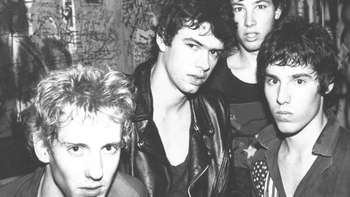
There are a lot of misconceptions about the life of a musician. Most musicians have day jobs – and not just to pay the bills. Jobs provide new challenges, personal fulfillment and, yes, some rent or gas money.
How an artist spends their time by day will influence the creative process at night. In Don’t Quit Your Day Job, Scene Point Blank looks at how musicians split their time, and how their careers influence their music (or how their music provides escape).
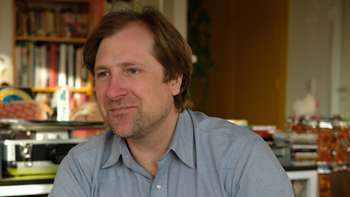
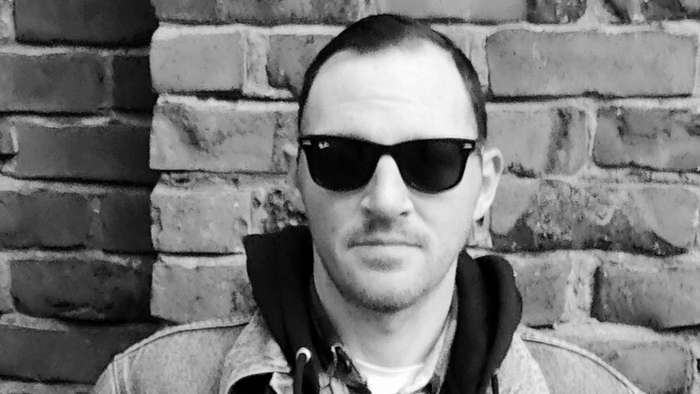
Today we catch up with Jeff Corso, whose Lethal Limits project recently released an EP, Elevate. Corso also plays in Coffin Party, who plan a new album soon. Corso is currently studying music therapy.
Scene Point Blank: You're in school now -- is it for Sociology more broadly or specifically for Music Therapy?
Jeff Corso: Yes, I am currently going to UC Berkeley primarily studying Sociology while also taking classes for music therapy. In some miracle of the universe, I got a full ride scholarship. Otherwise, this would not be a reality.
Scene Point Blank: Tell us about your in-class sessions. What is a typical scenario and how is music integrated into the process?
Jeff Corso: I appreciate the fact that our professor, who is a licensed music therapist and professional singer, treats us as if we are actually music therapists. We have learned proper techniques and approaches for interventions often doing role play of therapist/client in class. We became familiar with the DSM 5 manual to help understand the communities we would host an intervention for. Recently, I performed music therapy interventions for individuals suffering from autism, major depressive disorder, and ADHD. Often, the client will practice improvisation to unlock their subconscious, but other approaches are structured around the client's specific needs/goals. We focus a lot on treatment plans and interventions: music is integrated authentically for each client ranging between musical improvisation, music listening, songwriting/lyric substitution to name a few.
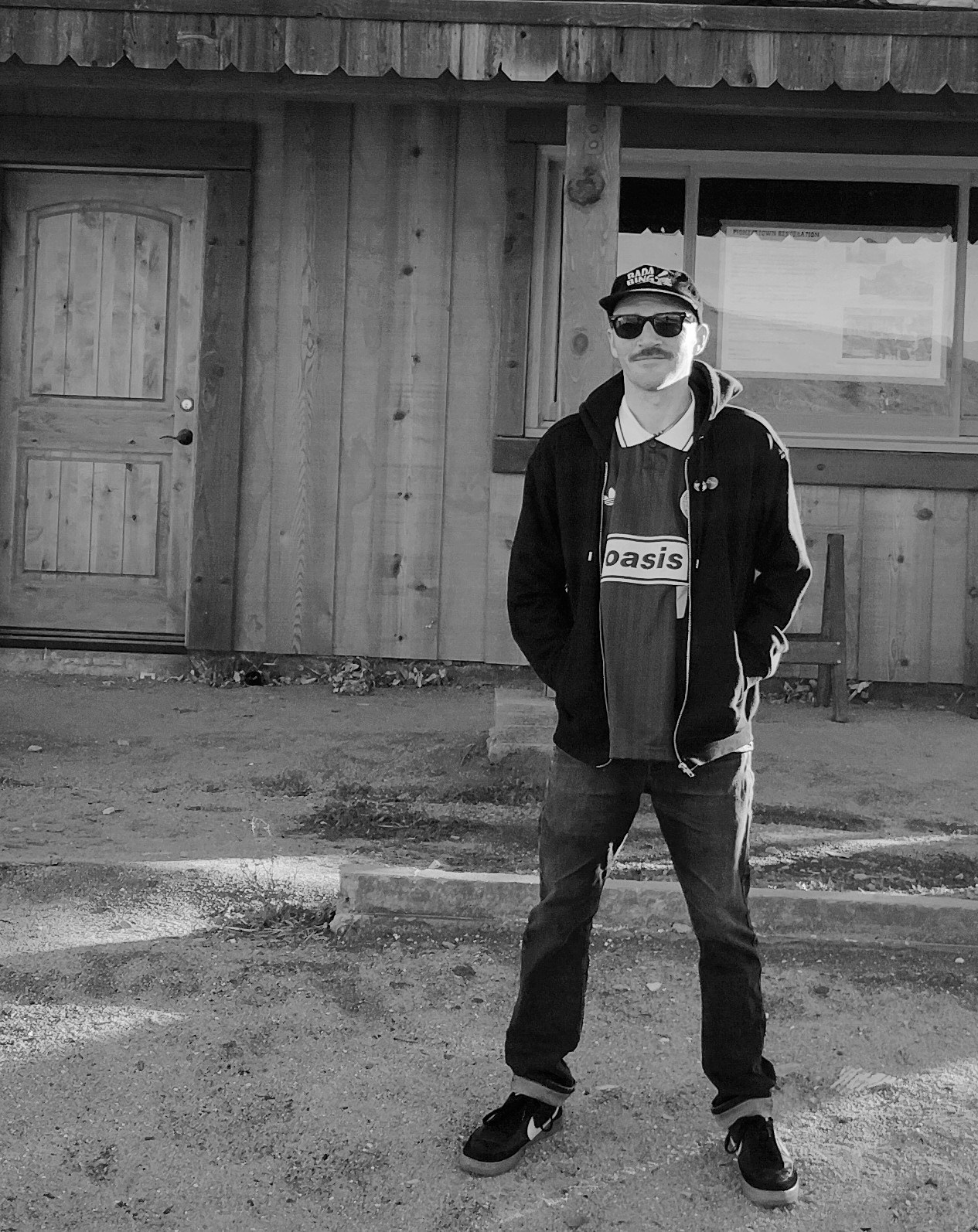
Scene Point Blank: You've worked with special needs children in the past, which pointed you in this direction. Was there a big moment that gave you the final "push" or when did you start to see the direction your path was headed?
Jeff Corso: Thankfully, a friend recommended the job and it was the most challenging and rewarding job I've had. I was an instructional aide for special needs children and our school was the last house on the block for these kids. I felt like I adopted these kids during my shifts. I wanted to be a positive presence in their lives especially with some wreckage occurring in their home lives. A big "push" moment was meeting a music therapist there who would play music in therapeutic manners with the kids, allowing me to do the same. I realized how music had been therapeutic for me throughout my life as I saw the same occurring for these children. I witnessed music being the main language of communication/ expression which is amazing.
Scene Point Blank: What does a music therapist do, in a general sense?
Jeff Corso: Music therapy is a rare form of therapy as it combines cognitive-behavioral qualities with musical elements. A MT essentially meets the client where they're at with their specific needs and goals. It is often client-led. If the client is feeling manic and rageful, you let them vent that rage as you transform this via music therapy approaches. The moments where a client moves from aggression to contentment and joy are the best moments. In many ways, music is the groundbreaking force allowing them to express themselves and communicate their thoughts and feelings, especially with autistic individuals.
Scene Point Blank: Therapy as a whole seems like it would vary immensely from therapist to therapist. That said, how do you envision the job? How much time is spent with clients, versus paperwork, insurance, and administrative type stuff?
Jeff Corso: While there is a decent amount of paperwork -- mainly with tracking progress and ensuring safety and regulations -- primarily the music therapist stays close with the client often meeting them in hospital settings or in their homes. It is certainly relationship building between the client and therapist, sometimes this is the deepest relationship the client has.
I witnessed music being the main language of communication/ expression which is amazing.
Scene Point Blank: There are a billion incorrect stereotypes about music, but a big one is that loud music is angry music. From a music therapy point of view, how do you integrate different styles?
Jeff Corso: Amazingly enough, classical music was the genre of choice at the beginning of music therapy interventions for veterans back in the day. I'm with you on this absurd stereotype as I believe music just sounds better louder. Thankfully, no music genre is exempt from these approaches and orientations. I have observed anything from punk to metal to pop and in between for interventions. Anger and rage are common for many clients and is no doubt welcomed in this kind of therapy.
Scene Point Blank: Punk rock is traditionally very community-minded. Did this ethos influence your path toward this profession?
Jeff Corso: I think at this point, punk is a part of my identity so, naturally, yes. Part of why I got the job with special needs kids was because I was a punk rocker and my boss said, "Good, cuz you need to be hardcore for this position." My passion for this profession wouldn't exist if it wasn't for the experience I have had with music and punk being therapeutic in my own life.
Scene Point Blank: What was your job history like leading up to this?
Jeff Corso: I have worked various jobs but mainly I was production assistant for special events.
Scene Point Blank: How long have you played music? How has that overlapped with your career?
Jeff Corso: I started playing music when I was 9, so a little under 30 years now. I learn from ear -- we learned about "mirroring" in class, which is ultimately imitating the music/ musician you hear, which made me realize that was a huge element of how I learned/learn music by creating a vibe of self-actualization. I'd say, for the most part, it has been a natural and organic experience with synchronicities but I think both paths intersected from the musical element which has made profound overlappings.
Scene Point Blank: I imagine you can't pursue this work without talking about your own music. How often does your own music come up in the field?
Jeff Corso: Honestly, for the most part I keep my music on the back burner in my studies as the priority is the client's state and musical taste. However, in many occurrences I have created and improvised music with clients as they describe their mood, thoughts, and feelings. Upon request, I once performed "Waves Into The Unknown" by Lethal Limits for my class.
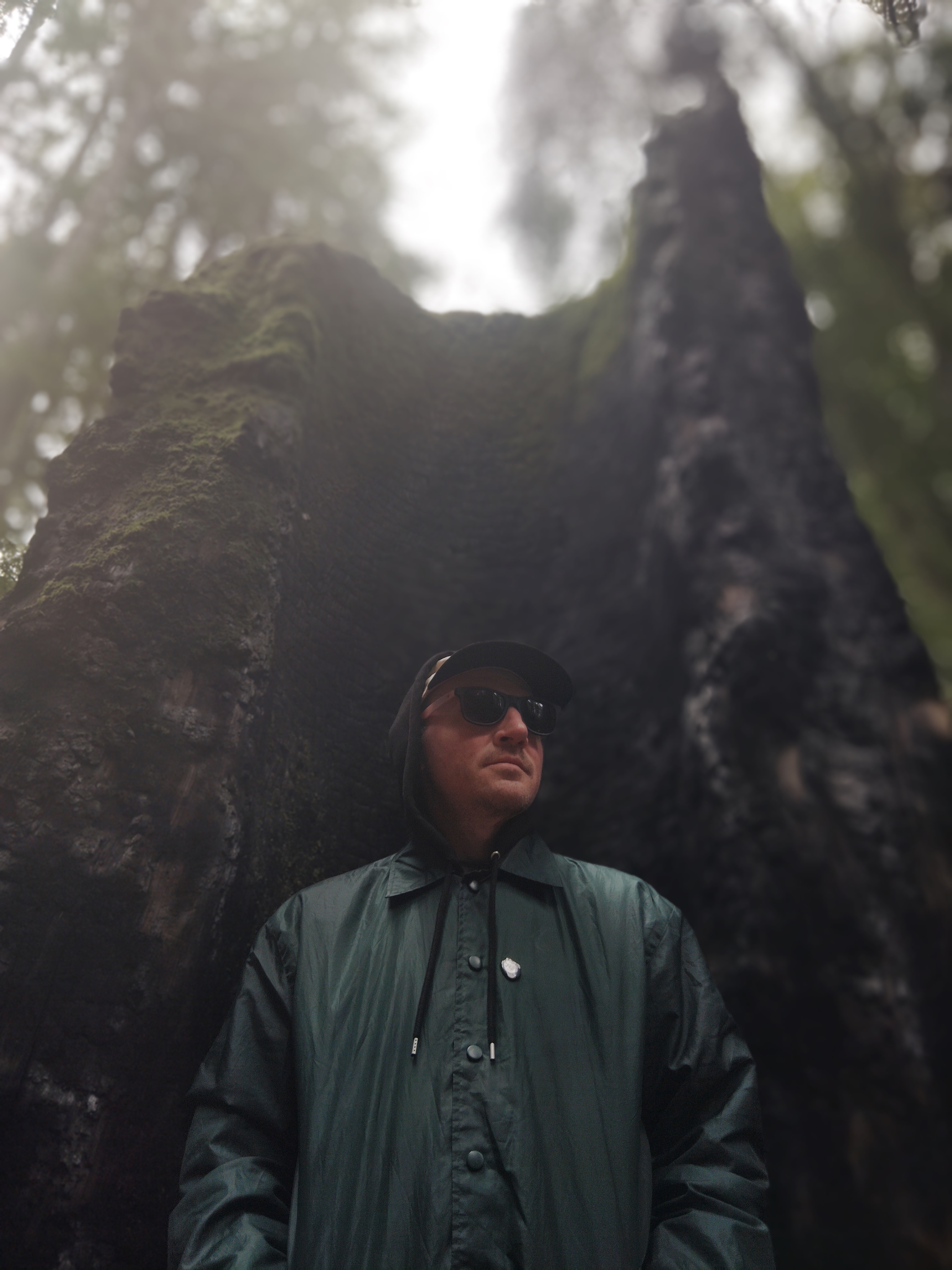
Scene Point Blank: Do colleagues come to your shows or talk to you about technique/songwriting/etc?
Jeff Corso: Yes, there have been a couple shows where they showed up with support and PMA. More often, I will have one-on-one's with my professor regarding techniques, approaches, and songwriting as she has much wisdom to offer and I intend to stay teachable and open-minded.
Scene Point Blank: Does your schedule affect your availability for practice, live shows, tours, etc. How? Is that related to Lethal Limits being primarily a solo project?
Jeff Corso: My elder bud loves to remind me how I try to fit 10 pounds in a 5 pound bag. Whether it's foolish or not, I never eliminate music. Even just practicing guitar is a ritual I feel insane if I miss a night. I'm in a good position with Lethal Limits regarding a schedule, as I am able to record/ produce from home making my own hours as well as practicing solo. We practice as a full band in San Francisco which only brightens my weeks -- it's thrilling to experience the transformation of being solo to collaborative rockage.
Scene Point Blank: How do you balance everything? Do you set schedules or block off time to write new music or practice?
Jeff Corso: I could learn a thing or two about balance and time management! However, I believe that's a life journey for all of us. To avoid burnout, I set priorities. When life is more busy, as it is now -- after I've tackled my studies/ priorities, I've been replacing Netflix/binge watching with making music as that is still an undisputed priority and I'm working on an album.
I don't sit down to intentionally write music. It just comes to me and I document it as it does, so no interference there, thankfully. In the cases where I need to put music on hold for a week, I return to it without anything else in mind.
Scene Point Blank: Have any work experiences influenced any of your songs directly that you can share?
Jeff Corso: Well, back in the day when I hated my jobs, it was effortless to bring that influence to my hardcore bands, especially NIGHTSTICK JUSTICE. I'm grateful to say that my mind is blown almost everyday and Lethal Limits serves as a narrative for that occurrence.
Check out previous entries in the Don’t Quit Your Day Job series.