There are a lot of misconceptions about the life of a musician. Most musicians have day jobs – and not just to pay the bills. Jobs provide new challenges, personal fulfillment and, yes, some rent or gas money.
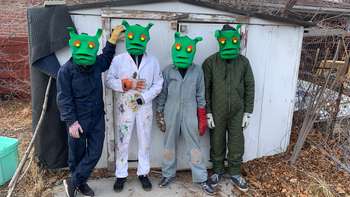
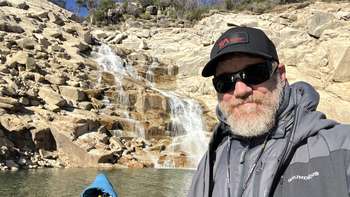
How an artist spends their time by day will influence the creative process at night. In Don’t Quit Your Day Job, Scene Point Blank looks at how musicians split their time, and how their careers influence their music (or how their music provides escape).
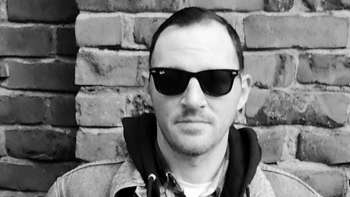
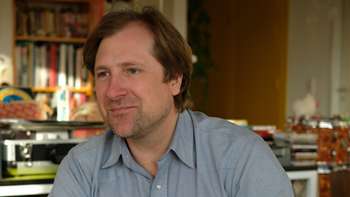
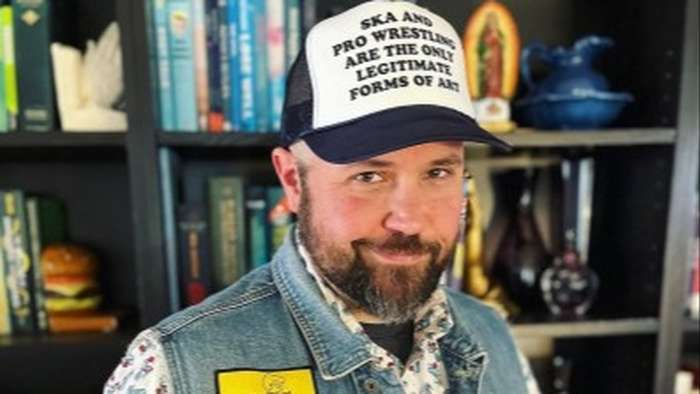
Today we catch up with Jason Kotarski, who also performs solo as Jay Alan Kay and with Singing Lungs. But this interview isn’t about new records. It’s about something that influences them, albeit less directly: his day job as a librarian in Michigan.
Scene Point Blank: You're a Regional Branch Manager in the Grand Rapids Public Library system. What does that mean, in a big picture sense?
Jason Kotarski: In addition to running the day-to-day operations of one of our branches, I also oversee 3 other managers and branches in our 8 location system.
Scene Point Blank: What is an "average day" on the job?
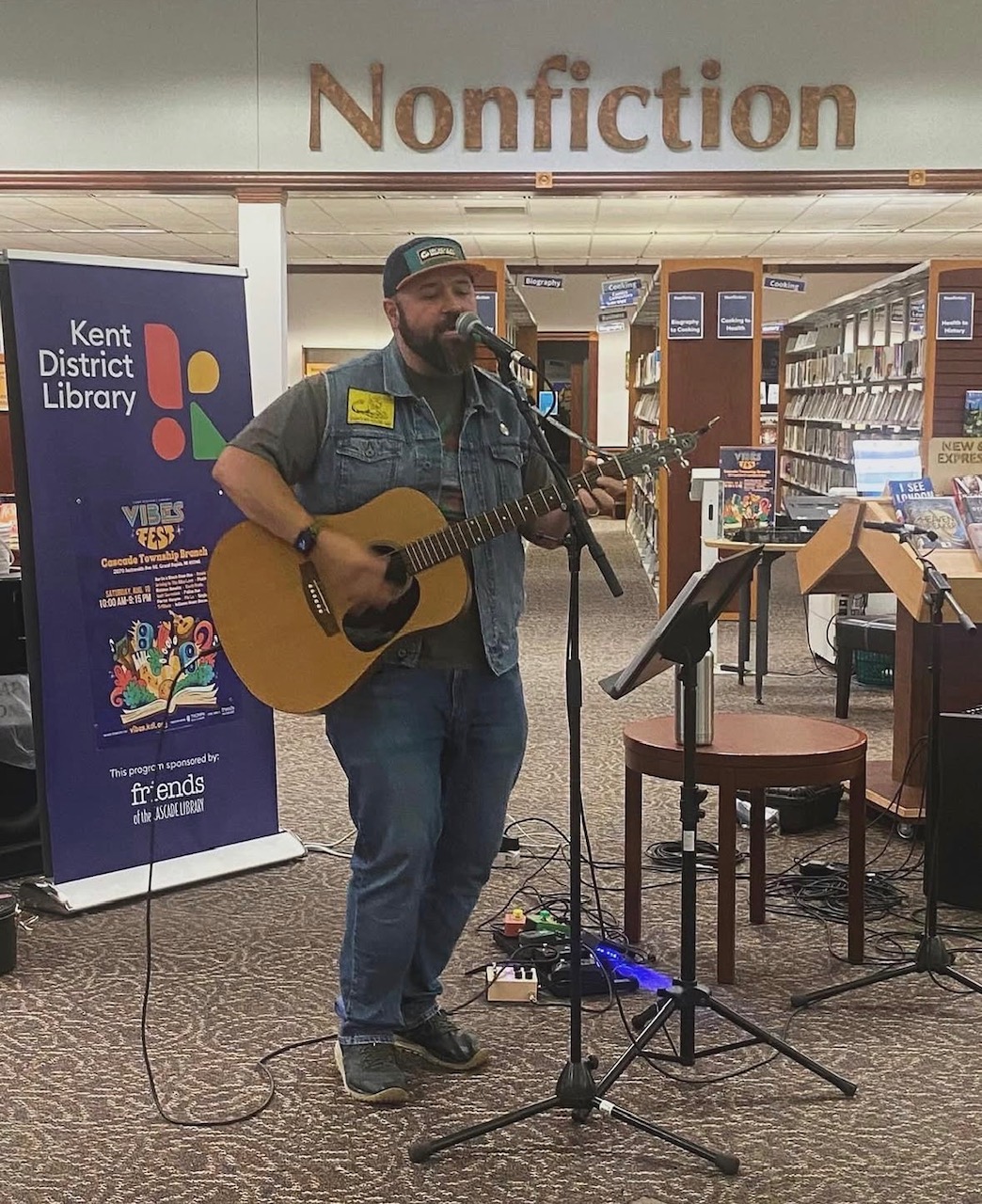
Jason Kotarski: The job has a lot of variety. Sometimes I'm doing materials handling and working at a public service desk or coaching staff. Other times I'm working to help lead a programming team, shaping the direction of our adult programs. I contribute to various teams for system-wide projects, too.
Scene Point Blank: You mentioned event planning and special projects when we spoke before the interview. What percentage of the job is community outreach versus more literary or research or archival in nature (which is what most people picture when they think of librarians)?
Jason Kotarski: As a public library, we focus a lot more on literacy and providing access than research. We offer a deep collection and host lots of great databases that folks use on their own but, in the branches, we typically get a lot of folks coming and going with families to check out materials, attend programs, or use our technology and access the internet. Our system does have an amazing History Center with archives focused on local history but they are a separate department from the majority of my role. So I'd say 95% of my job is public service and management. It's exciting when someone comes in with the reference need and I get to dig in deeper to find what they are looking for or show off some of our lesser known research tools.
Scene Point Blank: It seems like community outreach is a big part of the job. Is it coincidental that independent music is typically very community-focused as well, or did that parallel draw you into the field?
Jason Kotarski: A part of my role is to connect with schools and businesses in our neighborhood. We just want to be a part of what is happening around us and let people know how many useful, free resources we offer. I do think how I'm wired and how so much of my life has been built around coming up in the DIY music scene drew a pretty straight line to libraries. I always want to do work that matters to me. I want to do work that allows me to express my creativity in some way and makes a difference in people's lives. It's not about making money. It's about making an impact. Libraries level the playing field for anyone that wants to explore an idea or try something new. We don't tell people what they should be learning, we just help them find the things that can support that learning. Once I saw this, it made a lot of sense with my previous experience and driving values. Libraries are pretty punk rock.
Scene Point Blank: What was your job history like leading up to this? What pushed you into library work?
Jason Kotarski: Out of high school, I went to work at a community college bookstore with the singer of my band at the time. It was a retail gig with nights and weekends off so it was ideal for being in a band. We got all of our punk friends seasonal work there at the beginning of each semester so it was a lot of fun. After almost 10 years of that, moving up to managing the shipping/receiving department, I left to go back to school to become a pastor. I started a church that met in the all ages venue I grew up going to. When that closed I became a hospice chaplain and started a board game publishing company!
I guess that's kind of a strange path but my work was always focused on people and creativity and leading people towards some common goal. Sitting beside the dying and their families every day was great, but I knew it couldn't do that forever. At the same time, trying to chase money in the board game industry (it started as a creative hobby outlet) took the fun out of what drew me to it in the first place. A friend from the music scene (Keith from Count Your Lucky Stars Records) was a librarian and invited me to teach a board game design class for teens at his library. I guess that's when I started to see a path that put a lot of my other experiences together.
Libraries are pretty punk rock.
Scene Point Blank: What are the educational/background requirements to get into the field?
Jason Kotarski: There are entry level, just out of high school gigs for pages, or shelvers. Library Assistants, which provide most of the front line service in our systems usually need some college like an Associates or Bachelors degree. Librarians and managers usually need a Masters degree. Most of the time a Masters of Library and Information Science is preferred but other experience and paths sometimes translate to the field. I got my Masters during the first couple years of the pandemic.
Scene Point Blank: How long have you played music? How has that overlapped with your career?
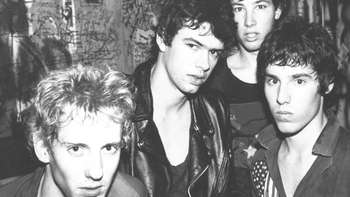
Jason Kotarski: I've been playing music since I was 14 -- so 30+ years! I got heavily involved in the music scene in Flint, Michigan in high school where I played in punk bands and helped out with the local all ages venue, Flint Local 432. That was a huge influence on me. I really learned how to contribute to something that mattered to me. I became a music collector: records, tapes, CDs. My roommate, when I first moved out of my parent's house, was the guy who started the local venue. He always had non-traditional jobs like taking pictures of real estate for newspaper ads while at the same time doing a lot to preserve local music history. I think that kind of rubbed off on me. I didn't connect it to library work at the time but it made me see that the history of our little subculture mattered to a lot of people and that it was worth preserving. So later on when I found out my friend Keith was a librarian and I saw the value of libraries as my wife and I were starting to have kids, those pieces kind of clicked together.
Scene Point Blank: How often does music or the fact that you're in a band come up at work? Do colleagues come to your shows or talk to you about your newest songs?
Jason Kotarski: All my colleagues know I play music. Some of them have come out to see me play. I wrote one song, "Jessica Davis," about one of my favorite people that I worked with at a previous library. It doesn't come up a ton in the day to day but I'm not hiding it.
Scene Point Blank: Do you keep your professional and music lives separate or are they intertwined?
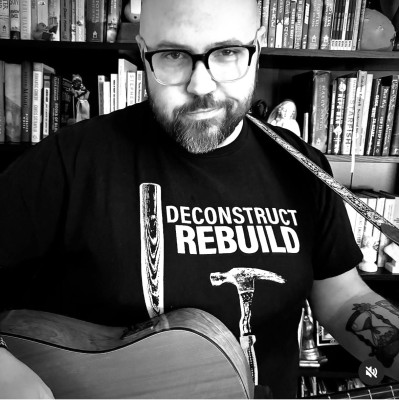
Jason Kotarski: This is a tough question. Like, I am who I am because of the experiences that have shaped me and I bring all of that to work. Not in the sense that I'm bringing records to sell in the breakroom. Just that my brain got wired a certain way and I'm a whole person and I try to be me wherever I am.
Scene Point Blank: Does your schedule affect your availability to play with others -- or is it part of why you've pursued solo projects?
Jason Kotarski: I don't think it's my work schedule that affects my ability to play with others as much as my stage of life. I still play in Singing Lungs but we're all dads with kids and full-time jobs and live an hour away from each other, so we only play shows like 4-6 times a year these days. We're old enough that we don't feel like we have to break up because we have other stuff going on. We just get to stuff when we get to it. We play fun shows we wanna play and write and record songs when we want to. I started my Jay Alan Kay project as demos for a Singing Lungs album and then realized I was having so much fun recording everything myself that I should just keep going and knew that I'd keep writing songs for the band later. I'm always writing songs so there isn't scarcity from one project to the next. Then, I figured since it's a lot harder to get together with the band and I wanted to keep playing shows regularly -- it made sense to try some solo stuff.
Scene Point Blank: As a regional manager I imagine you have a lot of responsibility locally. How does that affect touring? Can you get away for 1-2 weeks at a time?
Jason Kotarski: I haven't really prioritized touring. It's mostly weekend stuff nowadays. Singing Lungs has done some longer regional weekends, usually around a record release, though. I get the itch every once in a while but have to balance vacation time between family and personal time.
I figured since it's a lot harder to get together with the band and I wanted to keep playing shows regularly -- it made sense to try some solo stuff.
Scene Point Blank: How do you balance everything? Do you set schedules or block off time to write new music or practice?
Jason Kotarski: I think I've just tried to make space for what's important to me. If I have a show coming up, I practice. If I've got a few minutes, I pick up my guitar. My wife plays roller derby so we support each other, too. When she has practice I often have time to myself to work on ideas. I've just learned to grab time when and where I can.
My first solo album, Songs Before Work, was literally written and recorded in the mornings between dropping my kids off at school and when I had to be at work. I had a couple hours each day so I'd hit record and sometimes finish songs while I was recording them. I think I've been writing long enough that I don't get super self-conscious about it anymore. I just do the work and head in the direction that seems right in the moment.
Scene Point Blank: Maybe you can't answer this directly, due to being a public employee, but have any experiences within the library influenced any of your songs directly that you can share?
Jason Kotarski: It's a career where you really get to see a lot of stuff. I get a real slice-of-life view everyday. I can't think of anything specific to the library besides writing a song about my friend, Jessica Davis, but I try to be authentic about who I am and my experiences so I'm sure my work seeps in there, too.
Scene Point Blank: Anything you'd like to add?
Jason Kotarski: Yeah, y'all should make sure you get a library card.
Check out previous entries in the Don’t Quit Your Day Job series.