Scene Point Blank: Your band’s name roots back to intense personal landscapes -- the class size Abdula taught at an autistic school and Thula’s 21-day stint in a psychiatric facility. How did sobriety change the actual physical energy and focus of the band between the debut EP and After the Storm?
Twenty One Children: Sobriety gave us complete clarity and sharp focus. On the debut, we were operating on raw, chaotic instinct while dealing with massive personal dark periods. By the time we recorded After the Storm, we were clear-headed, grounded, and fully present. The music is still just as aggressive, but now every strike of the drum and hit of the chord is intentional and focused.
Scene Point Blank: Abdula, you’ve cited Kid Cudi’s raw, polarizing alt-rock album Speedin' Bullet 2 Heaven as a lifeline during a dark period because it felt completely real. How do you bring that same level of unfiltered, uncomfortable honesty to your own vocal delivery?
Twenty One Children: Abdula doesn't put on a fake "punk rock" voice or try to sound like someone from California or London. When he sings, he pulls directly from his gut, his actual vocal cadence, and his true emotional state. Kid Cudi showed that being completely vulnerable -- even when it sounds raw or unpolished -- is the most powerful thing you can do on a track.
Scene Point Blank: You've mentioned looking at managing the band like taking care of a toddler -- balancing day jobs, feeding it, and dealing with "time-outs." How has that dynamic shifted now that you're signed to Slovenly Recordings and dealing with international logistics?
Twenty One Children: The toddler grew up fast and now it has a passport! Working with Slovenly is amazing because they let us be 100% ourselves, but international flights, visas, and touring mean the logistics are way bigger. We still treat the band with that same care and discipline, though -- making sure everyone is fed, mentally good, and focused so the machine keeps running smoothly.
Scene Point Blank: You don't just play gigs; you build skate parks out of pocket and fundraise for school supplies. Why is it vital for Twenty One Children that punk remains a functional community movement rather than just an aesthetic or a musical subculture?
Twenty One Children: Leather jackets and cool haircuts don't feed a kid or fix a broken street. If our music doesn't improve the actual physical lives of the people in Soweto, then it’s just noise. Building skate spots and raising money for school supplies proves that punk is a tool for real action. We want the kids in our hood to have real spaces to express themselves.
"When they see us tear the roof off, they realize Soweto punk is as real, dangerous, and legitimate as anything from 1980s LA or New York."
Scene Point Blank: Kids in the community now reach out to you for advice on everything from skate tips to navigating sobriety. Does carrying the weight of being local role models ever conflict with the wild, chaotic energy you need to unleash on stage?
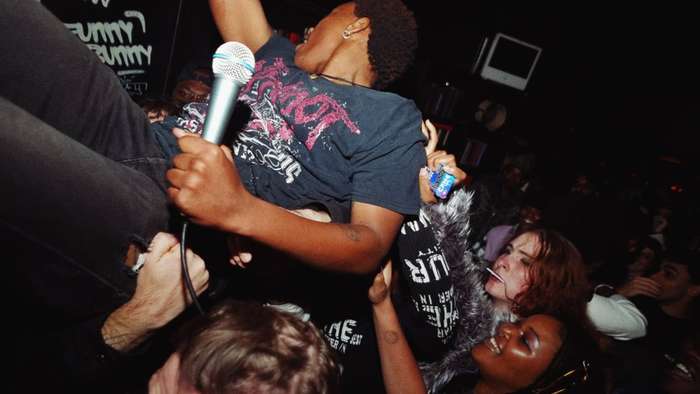
Twenty One Children: Not at all, because being a role model doesn't mean acting perfect or sanitized -- it means being real. The kids see us sweat, scream, and lose our minds on stage, but they also see us stay sober, build ramps, and talk openly about mental health. Showing them that you can unleash total chaos on stage while still keeping your life grounded offstage is the best message we can give them.
Scene Point Blank: You’ve actively used your platform to uplift the younger crop coming up behind you, explicitly shouting out unreleased local acts like Aura Electric and One Second Longer. What is happening in the Soweto underground right now that the rest of the world is completely sleeping on?
Twenty One Children: There is a massive wave of young kids who are completely fed up with soft, commercial music. Acts like Aura Electric and One Second Longer are making raw, fearless noise in backyards and community halls without waiting for permission from anyone. Soweto is turning into a total pressure cooker for alternative music, and the world has no idea what's about to hit it.
Scene Point Blank: Sharing stages with proto-punk legends DEATH in Kenya and hitting European festival runs has put you on a global stage. What is the biggest cultural misconception Western punk audiences have when they see a trio from Soweto absolutely rip a room apart?
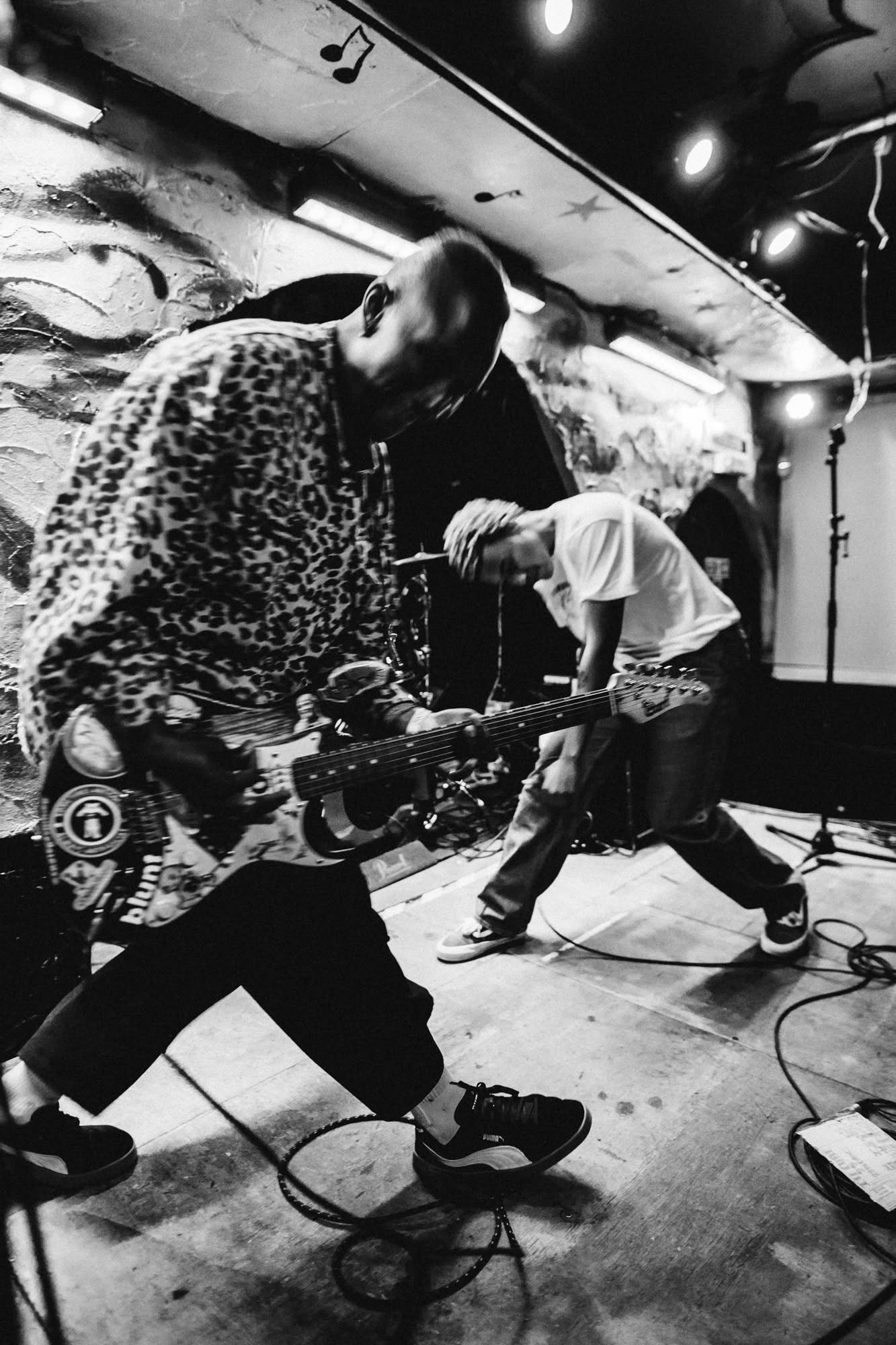
Twenty One Children: People sometimes expect us to play polite, acoustic world music or some sanitized version of punk. Then we walk out, turn the distortion up to ten, and blast them with pure, high-speed hardcore. The biggest misconception is that punk belongs to the West. When they see us tear the roof off, they realize Soweto punk is as real, dangerous, and legitimate as anything from 1980s LA or New York.
Scene Point Blank: To keep your edge, you’ve emphasized the importance of brutal honesty during "playback" -- rolling with the punches and the drumsticks when a track isn't hitting right. What’s an example of a song on After the Storm that got completely torn apart and rebuilt because it sounded too safe?
Twenty One Children: "SCAB" took work to get right. Originally, the rhythm felt a bit too standard, almost like a generic punk bounce. We listened back during playback and immediately said, "This feels safe. Cops aren't safe, so why is this track sounding polite?" We stripped the drums down, made the guitar tone way more blown-out and jagged, and pushed the speed until it felt properly hostile.
Scene Point Blank: You have closed your interviews with an uncompromising manifesto: "No sleep, even after Brooklyn. The world needs to hear us." Now that 2026 is being framed as the "Year of Twenty One," what is the next border you are absolutely determined to break down?
Twenty One Children: We want every single corner of the globe. North America, Asia, South America -- we want to take Soweto skatepunk to every basement, festival, and DIY spot on Earth. Money and visas are the only hurdles, but we won't stop pushing until our community's story is heard everywhere. 2026 is just the start. No sleep until the whole world feels the thud.